How to Properly Maintain Your Car Daily?
- Check tires, fluids, and lights once a month to avoid most preventable breakdowns
- Tire pressure should be checked when cold, ideally every two to four weeks
- Regular cleaning of the interior and exterior limits corrosion and preserves resale value
- Following manufacturer service intervals (oil changes, filters) prevents premature engine wear
- Catching early warning signs (noises, dashboard lights, smells) is always cheaper than emergency repairs
Daily car maintenance doesn’t mean spending an hour every week under the hood: it’s about taking a few simple steps that, when repeated regularly, prevent most breakdowns and unpleasant surprises. Tire pressure, fluid levels, interior cleanliness, lighting status—each of these points takes only a few minutes and requires no special mechanical skills. The goal of daily car maintenance is twofold: road safety and vehicle longevity. Here are the practical habits to integrate into your daily routine without spending a disproportionate amount of time.
Check Tire Pressure and Condition
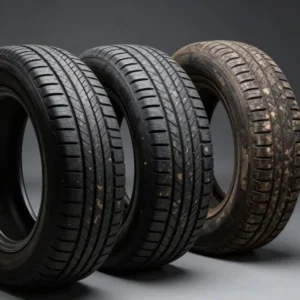
Tires are the only contact point between your car and the road, making them the number one priority for any serious daily car maintenance routine. Low pressure increases fuel consumption, reduces handling, and causes uneven tread wear. The best practice is to check pressure when cold—meaning before driving or after the vehicle has been parked for several hours—because heat generated from driving can skew the reading. Recommended values are usually found on a sticker inside the driver-side door or on the fuel flap, and they vary depending on the vehicle’s load.
Beyond pressure, a regular visual inspection can help spot abnormal wear, objects embedded in the rubber, or sidewall bulges. You can easily check tread depth with a coin: if it falls below the legal limit, grip on wet roads drops significantly. For motorcyclists, this check is even more critical, as a two-wheeler’s stability depends directly on the condition of the rubber. Poorly maintained tires also cause faster wear on other parts of the suspension and drivetrain, turning a minor oversight into a heavier mechanical expense in the medium term.
Monitor Fluid Levels
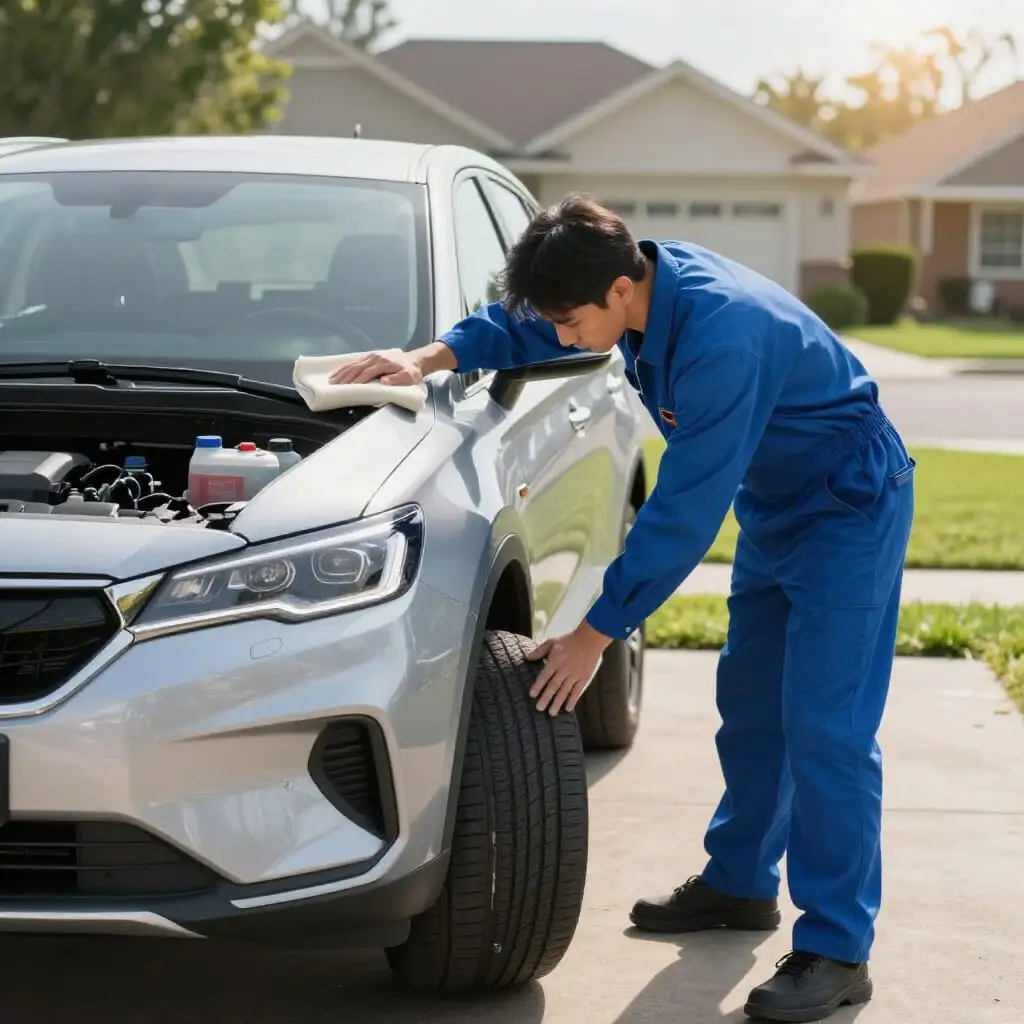
Under the hood, several reservoirs deserve a quick monthly check: engine oil, coolant, brake fluid, and windshield washer fluid. Check the engine oil using the dipstick while the engine is cold and the vehicle is on level ground, aiming for a level between the minimum and maximum marks. A low oil level accelerates internal engine wear and, in extreme cases, can cause a costly engine seizure.
Coolant, often visible through a translucent reservoir, should remain stable between refills; a repeated drop usually signals a leak that is better diagnosed quickly than waiting for overheating. Brake fluid is checked less frequently but remains a major safety point: a low level can indicate worn brake pads or a leak in the hydraulic circuit. Finally, windshield washer fluid is often neglected, yet it ensures proper visibility in rain or dust—running out mid-trip is one of the most avoidable daily inconveniences.
Clean the Interior and Exterior
Cleaning isn’t just about aesthetics: it directly contributes to the vehicle’s mechanical preservation. The bodywork is constantly subjected to road salt, insects, urban pollution, and stone chips—elements that, if left untreated, encourage corrosion on the metal. Regular washing, whether by hand or at a car wash, limits this phenomenon and preserves the original paint, which also impacts the vehicle’s resale value.
Inside, vacuuming the mats and seats prevents the accumulation of dust and moisture, which can lead to mold and persistent odors, especially in cloth upholstery models. Window cleaning is often overlooked but plays a direct role in safety by ensuring optimal visibility, particularly at night or in the rain. Finally, a tidy and clean cabin reduces the risk of loose objects becoming projectiles during sudden braking—a detail rarely mentioned but very real in the event of an accident.
Check Lighting and Wipers
A blown taillight or a poorly adjusted headlight often goes unnoticed until you are behind your own vehicle. Walking around the car once a month—checking low beams, high beams, turn signals, brake lights, and license plate lights—allows you to detect a faulty bulb before it results in a fine or, worse, a safety risk during a nighttime braking maneuver.
Wiper blades deserve the same vigilance: worn blades leave streaks that reduce visibility in the rain, precisely when clear vision of the road matters most. Their average lifespan is about six months to a year depending on sun and weather exposure; replacing them is a simple, low-cost task that avoids many uncomfortable situations on wet highways. This quick check, combined with lighting inspections, effectively completes your daily maintenance routine without requiring any special tools.
Follow the Manufacturer’s Service Schedule
Beyond daily habits, serious car maintenance relies on the manufacturer’s service schedule, which sets intervals for oil changes, filter replacements, and safety component checks like brakes or the timing belt. These milestones, usually expressed in mileage or months, vary depending on the engine and driving style: urban driving with frequent stop-and-go traffic puts more strain on the engine than regular highway cruising.
Ignoring these services might not show immediate effects, leading some drivers to postpone them, but oil that loses its lubricating properties or a clogged filter will eventually accelerate mechanical wear. Conversely, strictly following the manufacturer’s schedule preserves the vehicle’s warranty while it’s still active and makes resale easier, as a complete service history is always reassuring to a buyer. Keeping this schedule updated via a logbook or a dedicated app is the most reliable way to anticipate expenses rather than be surprised by them.
Spot Daily Warning Signs
Daily car maintenance also involves listening closely to the vehicle itself. An unusual noise when braking, a vibration in the steering wheel, a burning smell, or a dashboard warning light are all signals that should never be ignored, even if they seem minor at the moment. These symptoms often precede a more serious breakdown, and early diagnosis is generally much cheaper than an emergency repair after the vehicle has broken down.
Some signs can be spotted without any mechanical skills, simply by staying attentive during your usual drives. A metallic squeak when braking often indicates worn brake pads: it’s better to have them checked quickly than to wait for a louder, more expensive grinding sound against the discs. A vibration in the steering wheel at certain speeds often suggests unbalanced wheels or uneven tire wear, which should be checked during your next inspection. A burning smell can have several origins: rubber (rubbing brake), plastic (overheating electrical component), or liquid (leak on a hot engine part)—if in doubt, it is better to pull over and let the vehicle cool down rather than continuing on the road. A clicking sound when turning at low speeds often points to a worn ball joint or tie rod, a point that should not be ignored for safety reasons.
Modern dashboards centralize many of these alerts via colored warning lights, the meaning of which is better known in advance than discovered in the middle of traffic. A red light requires an immediate stop: this includes the oil pressure light or the engine temperature light, ignoring which can turn a simple garage visit into a complete engine failure. An orange light invites a quick check without absolute urgency, such as the tire pressure light or a generic engine light, which should be checked in the following days rather than pulling over on the shoulder. Many drivers only discover the exact meaning of these icons the day they light up, in the stress of the moment: a quick glance at the vehicle manual once is enough to clear any doubt for all future occurrences.
This daily vigilance, combined with regular checks of tires, fluids, and lights, forms a coherent approach that drastically limits the need for unexpected repairs and extends the vehicle’s useful life. It requires neither tools nor special expertise, only the habit of paying attention to what the car is communicating—a reflex that, once integrated into your routine, transforms car maintenance from an occasional chore into an almost automatic habit.
How often should I check tire pressure?
Ideally every two to four weeks, and always before a long trip, by checking the pressure when cold.
Which fluid levels should I check regularly?
Engine oil, coolant, brake fluid, and windshield washer fluid, checked at least once a month.
How long do wiper blades last?
On average, six months to a year depending on sun and weather exposure, with replacement recommended as soon as streaks appear.
Does an orange dashboard light require an immediate stop?
No, an orange light signals a check that should be scheduled soon, unlike a red light, which requires an immediate stop.
Should I clean my car regularly even in winter?
Yes, road salt and slush promote bodywork corrosion; regular washing limits this risk.
Why should I follow the manufacturer’s service schedule?
It sets the appropriate intervals for your engine type to preserve the engine, maintain the warranty, and facilitate resale.
Sources
- Routine car maintenance: different actions to perform each month – Oscaro
- Car maintenance: complete guide to properly maintaining your vehicle – Roole

À découvrir
How to Tell if Your Car Battery is Dying
Spot the signs of a failing car battery: slow starts, low voltage, and electrical issues. Learn how to diagnose and fix it.
How to Check Tire Pressure? A Complete Guide
November 3, 2026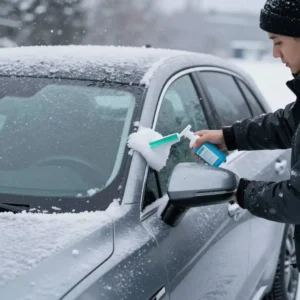
How to Protect Your Car in Winter: 2026 Complete Guide
November 13, 2026