What tire pressure should I use? The guide by vehicle type
- Correct tire pressure is found on the sticker inside the driver’s door or in the vehicle manual, never on the tire sidewall itself
- For a road bike, aim for 6 to 8 bar; for a 29-inch MTB, between 1.5 and 2.2 bar depending on the terrain
- Always check pressure when cold (the tire should not have been driven for at least 2 hours, or for less than 3 km)
- Trailers require specific pressure, often higher than the towing vehicle, as they are almost always driven at maximum load
- A drop of just 0.3 bar can increase fuel consumption and cause irregular tread wear
Correct tire pressure is never universal: it depends on the vehicle, its weight, the type of tire installed, and sometimes speed or terrain. For a car, the reference value is found on the door pillar sticker or in the manufacturer’s manual, generally between 2.2 and 2.9 bar depending on the axle and load. For a bike, the range is much wider: a road bike tire is inflated to 6–8 bar, while an MTB runs at 1.5–2.2 bar. A trailer follows its own specification plate, independent of the towing vehicle. This guide details how to find and check the right pressure for your specific needs.
Car tire pressure: where to find the right value
Correct car tire pressure is never written on the tire itself: the sidewall indicates the maximum technical pressure, not the recommended operating pressure. The value you must follow is found on a sticker inside the driver’s door frame, in the fuel filler flap, or in the vehicle manual. It generally varies between 2.2 and 2.9 bar for the front and rear axles, often providing two sets of values: one for a normal load (1–3 occupants) and one for a maximum load (full vehicle, loaded trunk).
This difference is significant: a tire underinflated by 0.3 to 0.5 bar relative to the actual load generates more heat, wears out faster on the shoulders, and noticeably increases fuel consumption. Conversely, an overinflated tire reduces the contact patch with the ground, which degrades braking grip and wears the center of the tread faster than the sides.
Some manufacturers also recommend adjusting the pressure for highway driving or long trips at sustained speeds by adding 0.2 to 0.3 bar to the standard value. This information is usually on the same sticker under a “high speed” or “full load + high speed” line. Always check this pressure when cold—meaning before driving or after traveling less than 3 km—because air heats up and expands during driving, which can skew readings upward by 0.2 to 0.3 bar.
Road bike, hybrid, and city bike tire pressure
On a road bike, the correct tire pressure is generally between 6 and 8 bar, a high level that minimizes rolling resistance on smooth roads. However, this range depends directly on the tire width and the rider’s weight: the wider the tire (e.g., 25–28 mm vs. 23 mm), the lower the optimal pressure, as the larger air volume compensates for the need for rigidity. A lightweight cyclist on 28 mm tires can ride comfortably around 6 bar, while a classic 23 mm tire might require 7.5 to 8 bar to avoid pinch flats on bumps.
For a city bike or hybrid, the logic is partially reversed: comfort and puncture resistance take precedence over pure performance. Recommended pressures hover around 3.5 to 5 bar, using wider tires (32 to 42 mm) that better absorb cobblestones and potholes while tolerating lower pressure without the risk of pinch flats.
The general rule remains the same: minimum and maximum pressure are indicated in small print on the tire sidewall (in bar or PSI, where 1 bar ≈ 14.5 PSI). Staying within the upper third of this range is suitable for most road use, except for very light weights or those seeking maximum comfort.
MTB and 29-inch MTB tire pressure
The question of which MTB tire pressure to use depends heavily on wheel diameter, tire type (tubeless or tube), and the terrain. For a standard MTB, the usual range is 1.5 to 2.5 bar. Specifically for a 29-inch MTB, the pressure tends to be slightly lower than that of a 26 or 27.5-inch wheel at the same weight, as the larger diameter rolls over obstacles more easily and tolerates lower pressure without excessive pinch risk: generally aim for between 1.5 and 2.2 bar.
Tubeless setups change the game: without an inner tube, the risk of pinch flats disappears, allowing you to drop to 1–1.5 bar in the front to maximize grip, with a slight increase in the rear (often +0.2 bar) to support more rider weight during descents and braking. On dry, rolling terrain, increasing the pressure by 0.2 to 0.3 bar reduces rolling resistance and the risk of pinch punctures against rocks or roots.
Rider weight remains the most determining factor: a 90 kg rider will need approximately 0.3 to 0.5 bar more than a 60 kg rider to prevent the rim from bottoming out on obstacles. Testing on your usual terrain, adjusting 0.1 bar at a time, remains the best method to fine-tune this personal setting.
Trailer tire pressure: a separate value
Trailer tire pressure should never be matched to the towing vehicle. A trailer almost always runs close to its maximum authorized load, unlike a car which varies between empty and loaded use. The reference pressure is found on the specification plate attached to the trailer chassis, or failing that, in its manufacturer documentation; it is generally higher than for a car, often between 2.5 and 4.5 bar depending on the tonnage and tire size.
Underinflation on a trailer has more severe consequences than on a car: excessive sidewall flex under load generates overheating that can lead to a blowout, especially during long highway trips in summer. This is why pressure must be checked before every significant trip, rather than just occasionally like a daily driver—a trailer that sits for several weeks naturally loses pressure due to rubber permeability.
If the trailer tires are a different age or size than those of the towing vehicle, never rely on the car’s sticker: this would almost systematically lead to dangerous underinflation given the load being carried.
How and when to check your pressure
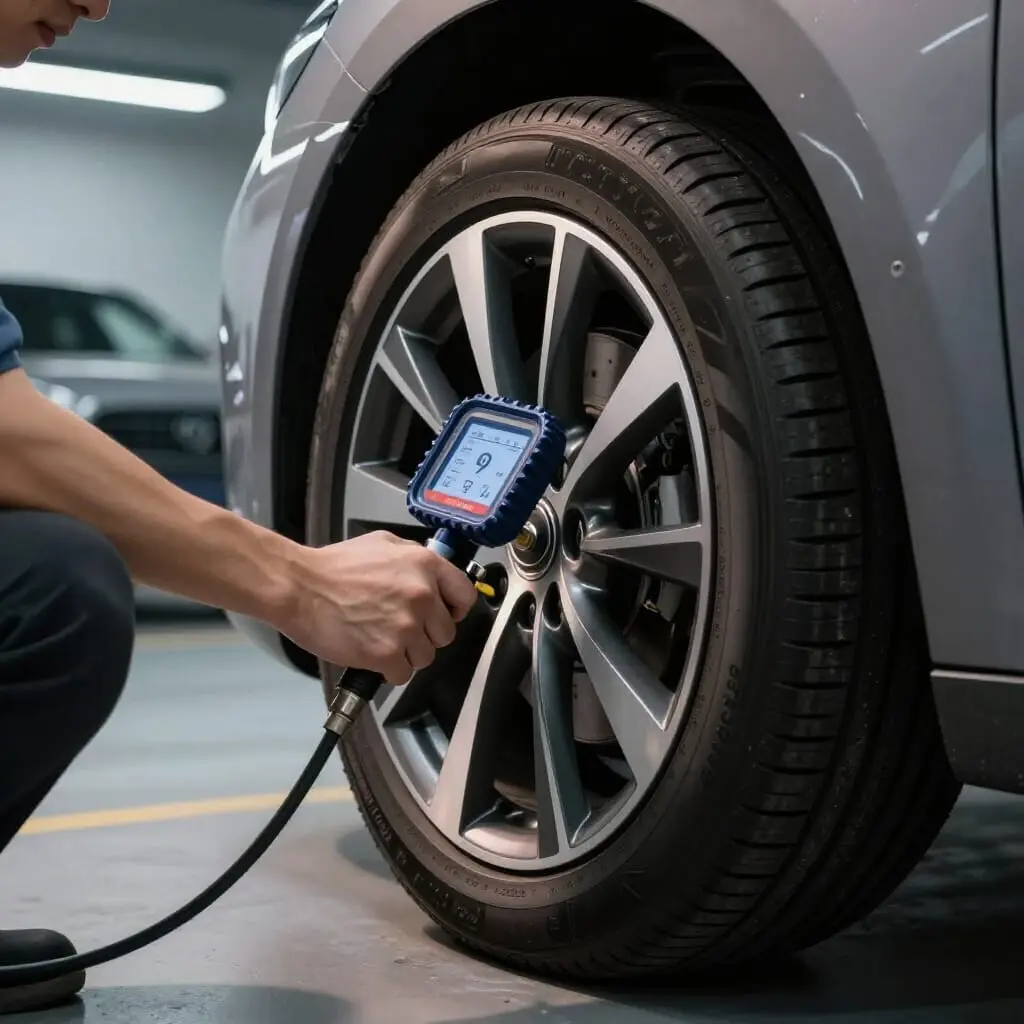
The checking method is identical regardless of the vehicle: the measurement must be taken when cold, meaning the tire has not been driven for at least two hours or has traveled less than 2–3 km at moderate speed. Driving heats the air inside the tire, causing it to expand and skew the reading upward by an average of 0.2 to 0.3 bar—a tire that seems correct immediately after a trip may actually be underinflated once cooled.
For a car, a monthly check is sufficient for regular use, and should be done systematically before long trips or significant seasonal changes. For a regularly used bike, weekly verification is recommended: bike tires, especially those with thin inner tubes, lose pressure faster than car tires, sometimes losing 0.1 to 0.2 bar per week even without a puncture. For a trailer, checking before every outing limits the risk, given the more serious consequences of underinflation mentioned above.
Don’t forget to also check your spare tire or emergency tire inflator, which are often neglected even though they must be at the recommended pressure to be usable in a real emergency.
What is the ideal car tire pressure in winter?
Pressure naturally drops with the cold, by about 0.1 bar for every 10°C drop. It is advisable to add 0.1 to 0.2 bar to the standard value in winter to compensate for this drop and maintain grip.
What tire pressure should a lightweight cyclist use on a road bike?
A cyclist under 60 kg can drop to 6–6.5 bar on 25–28 mm tires, compared to 7.5–8 bar for a heavier cyclist on narrower tires.
Can I use the pressure indicated on the tire sidewall?
No, that value is a technical maximum safety pressure, not the recommended operating pressure. Always refer to the vehicle sticker or the manufacturer’s manual.
What is the tire pressure for a 29-inch MTB in tubeless?
Generally, aim for 1 to 1.5 bar in the front and 1.2 to 1.7 bar in the rear, adjusting based on rider weight and terrain.
Why is my trailer losing pressure even without a puncture?
Rubber is slightly permeable to air, especially during long periods of being parked. A loss of 0.1 to 0.3 bar per month is normal and should be compensated for before each use.
Should I check the pressure while hot after a long trip?
No, measuring while hot systematically skews the reading higher. Wait at least two hours or until you have traveled less than 3 km before checking.
Sources
- Tire pressure by vehicle type — Pneus-Online
- What tire pressure should your car use? — MICHELIN
- Bike tire pressure: a complete guide — Roulez Jeunesse
- Bike tire pressure for city, road, MTB, and hybrid bikes — Le Cyclo
À découvrir
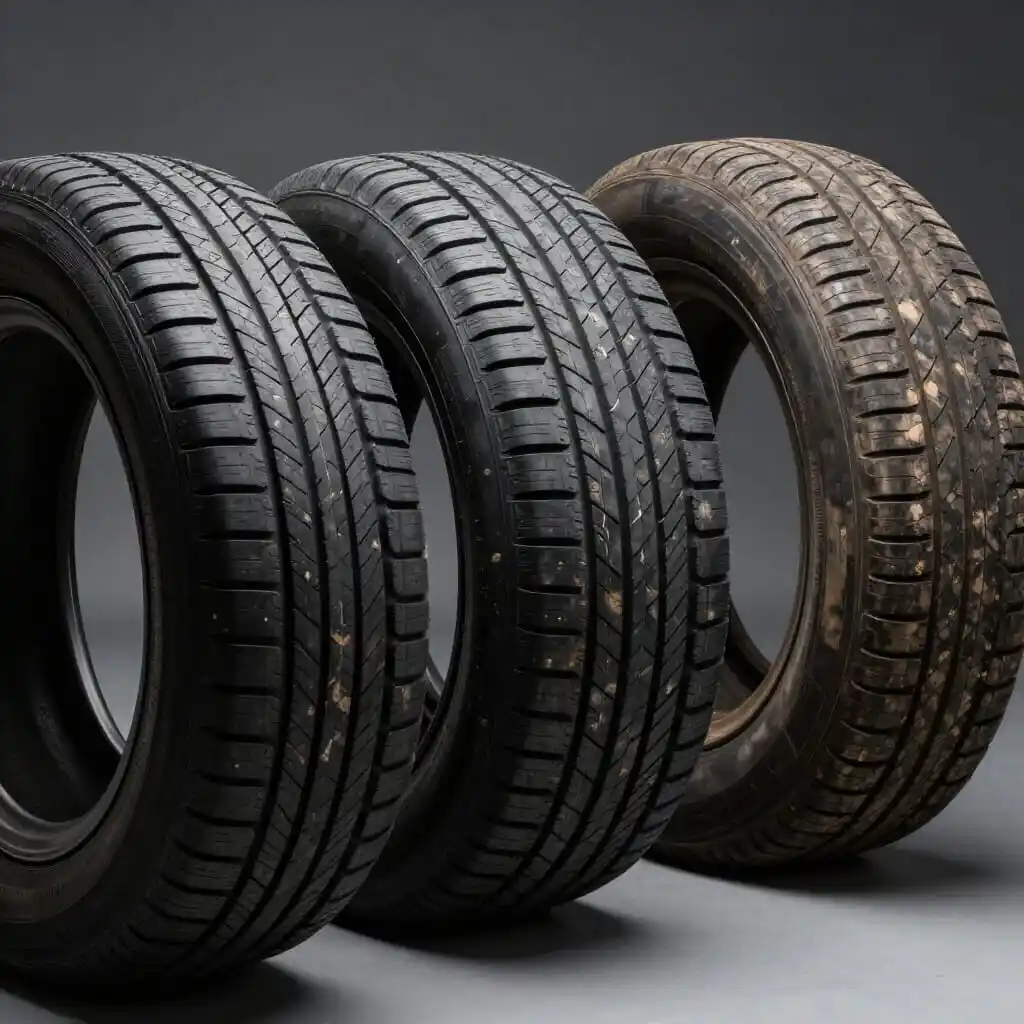
Tire Lifespan: Miles, Years, and Wear Signs
How long do tires last? On average, 40,000-50,000 km or 3-5 years. Learn about wear signs and the 10-year rule to keep your vehicle safe.
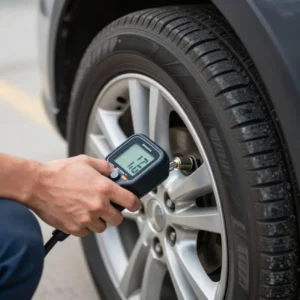
How to Check Tire Pressure? A Complete Guide
November 3, 2026
How to Tell if Tires Are Worn? 2026 Safety Guide
November 2, 2026