What car fluid levels should you check regularly?
- Five essential levels to monitor: engine oil, coolant, brake fluid, power steering fluid, and windshield washer fluid
- Recommended check once a month and always before long trips or holidays
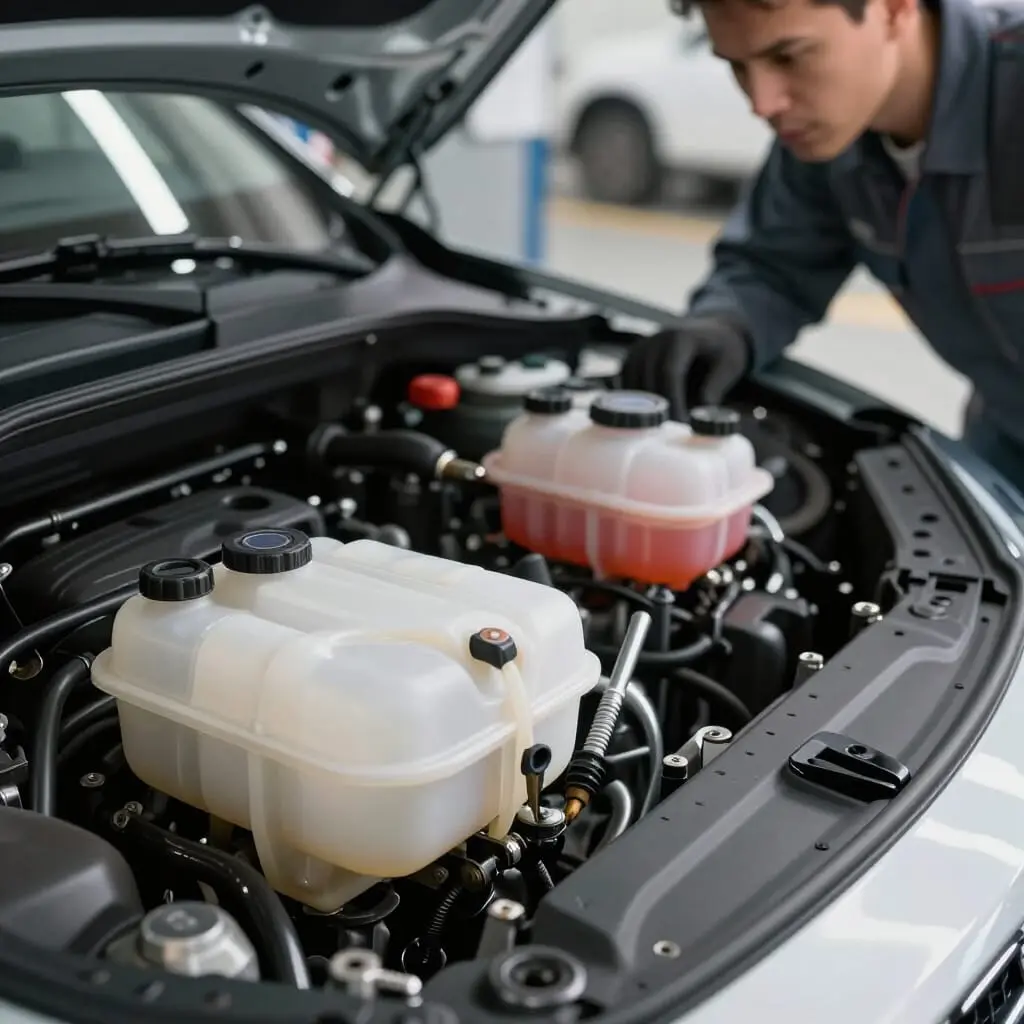
- Each level should be checked with the engine cold on level ground, using min/max markings
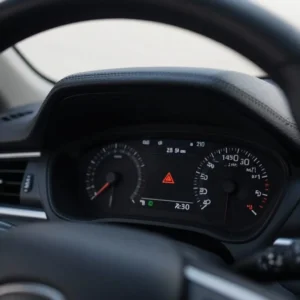
- An orange or red dashboard warning light indicates a low level that needs immediate attention
- It takes just five minutes to check all levels yourself, without a trip to the garage
Checking car fluid levels involves monitoring the amount of five vital liquids required for its operation: engine oil, coolant, brake fluid, power steering fluid, and windshield washer fluid. Ideally, this check should be done once a month, with the engine cold, by opening the hood and observing the minimum and maximum markings indicated on each reservoir or dipstick. It is a simple, free task that takes less than five minutes, but it prevents many breakdowns: an engine seizure due to lack of oil or overheating due to a lack of coolant costs significantly more than regular checks. This guide details each level to check, how to read it, how often to do it, and what the dashboard warning lights mean.
Why check fluid levels regularly
A car operates thanks to several fluid circuits that lubricate, cool, or transmit mechanical pressure. When any of these levels drop abnormally, it is never insignificant: it can signal a leak, part wear, or normal consumption that needs to be compensated for. Driving with oil levels that are too low causes premature engine wear due to lack of lubrication, potentially leading to engine failure in extreme cases. A lack of coolant exposes the vehicle to overheating, which can warp a cylinder head in just a few kilometers. Regarding braking, brake fluid that is too low or too old reduces braking efficiency, a matter that directly impacts passenger safety.
Beyond mechanics, checking levels regularly also allows you to detect a problem before it worsens. A rapid and repeated drop in coolant or oil between checks is a warning sign that justifies a visit to a professional, even if no warning light is on. It is also a useful habit when buying a used car: poorly maintained levels or visibly dirty fluids provide insight into the quality of maintenance provided by the previous owner.
Engine oil: the most critical level to monitor
Engine oil lubricates the internal parts of the engine and prevents premature wear caused by friction. Its level is checked using a dipstick, a metal marker generally featuring a yellow or orange handle, located at the front of the engine. The check must be performed with the engine cold and the car on level ground, after letting the engine rest for a few minutes if you have just been driving: remove the dipstick, wipe it with a clean cloth, reinsert it completely, and then pull it out again to read the level. The oil should be between the minimum and maximum marks engraved on the dipstick.
If the level is close to the minimum, a top-up is necessary using the same type of oil already in the engine (the reference is indicated in your owner’s manual). Be careful never to exceed the maximum: excess oil can damage seals and cause overpressure in the circuit. The color of the oil also provides information: very dark or gritty oil indicates that an oil change is necessary, regardless of the level itself.
Coolant and windshield washer fluid
Coolant circulates around the engine to dissipate the heat produced by combustion and prevent overheating. It is found in a translucent expansion tank, usually identifiable by an orange, red, or blue cap depending on the model, with min/max markings printed directly on the reservoir. The check must strictly be done with the engine cold, never while hot, as the circuit is under pressure and opening it unexpectedly exposes you to splashes of hot liquid.
Windshield washer fluid, while less critical for mechanics but essential for visibility, is checked in a separate reservoir, often featuring a cap marked with a windshield pictogram and water jets. It is easily refilled with a washer fluid suitable for the season: an antifreeze formula in winter prevents the reservoir or lines from freezing in extreme cold. Repeatedly losing coolant without a visible leak warrants a professional inspection, as it could indicate a failing head gasket—a costly issue to fix if left too long.
Brake fluid and power steering fluid
Brake fluid transmits the pressure applied to the pedal to the brake calipers. Its reservoir, often located near the master cylinder on the driver’s side, also features min/max markings. This fluid is hygroscopic: it absorbs moisture from the air over time, which reduces its effectiveness even without a visible drop in level. This is why it is generally replaced every two years, regardless of the apparent level, an operation that should be handled by a professional due to the circuit bleeding required.
Power steering fluid, found in vehicles with hydraulic assistance (increasingly rare in favor of electric power steering), facilitates steering maneuvers. Its reservoir is usually located near the engine and is identifiable by a cap marked with a stylized steering wheel. A low level often results in stiffer steering or a dull noise when turning, a sign that should not be ignored as it can also reveal a leak in the steering rack.
How often should you check fluid levels?
The recommended frequency for checking all fluid levels is once a month, a rhythm that allows you to quickly spot any abnormal drop without it becoming a chore. This monthly check should systematically be completed before any long trip or holiday, times when the car is under more strain over longer distances and where a breakdown far from home is particularly problematic.
Other occasions justify a spot check: after a technical inspection, before a scheduled service, or as soon as unusual vehicle behavior is noted (engine noise, stiffer steering, less effective braking). It is also advisable to check levels before and after particularly long trips or in extreme conditions (mountains, high heat), which put more strain on the cooling system and engine oil. For older vehicles or those known to consume high amounts of oil, checking every two weeks remains a reasonable precaution.
Dashboard symbols and warning lights
The dashboard displays dedicated lights for each critical level, providing a complementary (though not exclusive) way to monitor fluid status. The engine oil light, represented by a stylized oil can, turns orange or red when oil pressure or level is insufficient: a red light requires stopping the engine as soon as possible to avoid mechanical failure.
The engine temperature light, a stylized gauge or thermometer, signals overheating often related to a lack of coolant. The brake fluid light, an exclamation mark inside a circle, can indicate either a low level or that the handbrake is engaged: therefore, both causes should be checked. Finally, a windshield pictogram with drops signals empty washer fluid—less urgent but annoying for visibility. These lights do not replace regular visual checks: they often turn on once the critical threshold has already been reached, whereas a monthly check allows you to anticipate.
Preparing your car before a holiday
Before a long holiday trip, checking fluid levels is part of a broader checklist that also includes tire pressure, wiper blade condition, and light functionality. Checking your levels a few days before departure allows time to react if a top-up or repair is needed, rather than discovering it the day before you leave.
This check is especially important on long, heavily loaded trips (luggage, passengers) that are sometimes driven in high heat—conditions that strain the engine and braking system much more than daily urban driving. A low oil or coolant level at the start of a trip can become critical after several hundred kilometers of highway driving. Keeping a spare bottle of oil and washer fluid in the trunk is a simple precaution to allow for adjustments on the road without waiting for the next service station.
What fluid levels should be checked in a car?
The five main levels are: engine oil, coolant, brake fluid, power steering fluid, and windshield washer fluid. Each can be checked via min/max markings on its dipstick or reservoir.
How often should I check my car’s fluid levels?
Once a month is the recommended frequency, complemented by a check before any long trip or holiday.
How do I check the engine oil level?
With the engine cold and the car on level ground, remove the dipstick, wipe it, reinsert it, and then pull it out again to read the level between the min and max marks.
What does an orange dashboard light mean?
It generally signals a low level or an anomaly to monitor without immediate urgency, unlike a red light which requires an immediate stop.
Can I check the coolant when the engine is hot?
No, this check must always be done with the engine cold, as the circuit is under pressure and can spray hot liquid when opened.
Should I check fluid levels before a holiday?
Yes, it is an essential step in a pre-trip checklist, ideally performed a few days before departure to allow time to act if necessary.
Sources
- How to check car fluid levels – idGarages.com
- How to check your car’s levels? – TotalEnergies
- Checking car fluid levels – CapCar

À découvrir
Tire Lifespan: Miles, Years, and Wear Signs
How long do tires last? On average, 40,000-50,000 km or 3-5 years. Learn about wear signs and the 10-year rule to keep your vehicle safe.

How to Prepare Your Car for a Long Trip | Full Guide
November 11, 2026
How to Tell if Tires Are Worn? 2026 Safety Guide
November 2, 2026