
How to Prepare Your Car for a Long Trip?
- Check tire pressure, tread wear, and condition (including the spare) before any long journey
- Monitor fluid levels (oil, coolant, washer fluid) and brake condition
- For trips with children or babies, plan breaks every two hours and organize the cabin accordingly
- During heatwaves, test the air conditioning and bring sufficient water for all passengers
- A paper or digital checklist helps avoid last-minute oversights (warning triangle, high-vis vest, vehicle documents)
Preparing your car for a long trip involves much more than just filling up the gas tank. From mechanical checks and organizing comfort for children or babies to anticipating potential heatwaves, every detail matters for a stress-free road trip. A tire underinflated by just 0.3 bar can increase your braking distance by several meters on the highway, while a poorly installed baby seat can quickly turn a four-hour drive into a nightmare. This guide details, step-by-step, what needs to be checked on the vehicle and how to organize the cabin based on your passengers’ needs to ensure a trip without nasty surprises.
Check your tires before departure
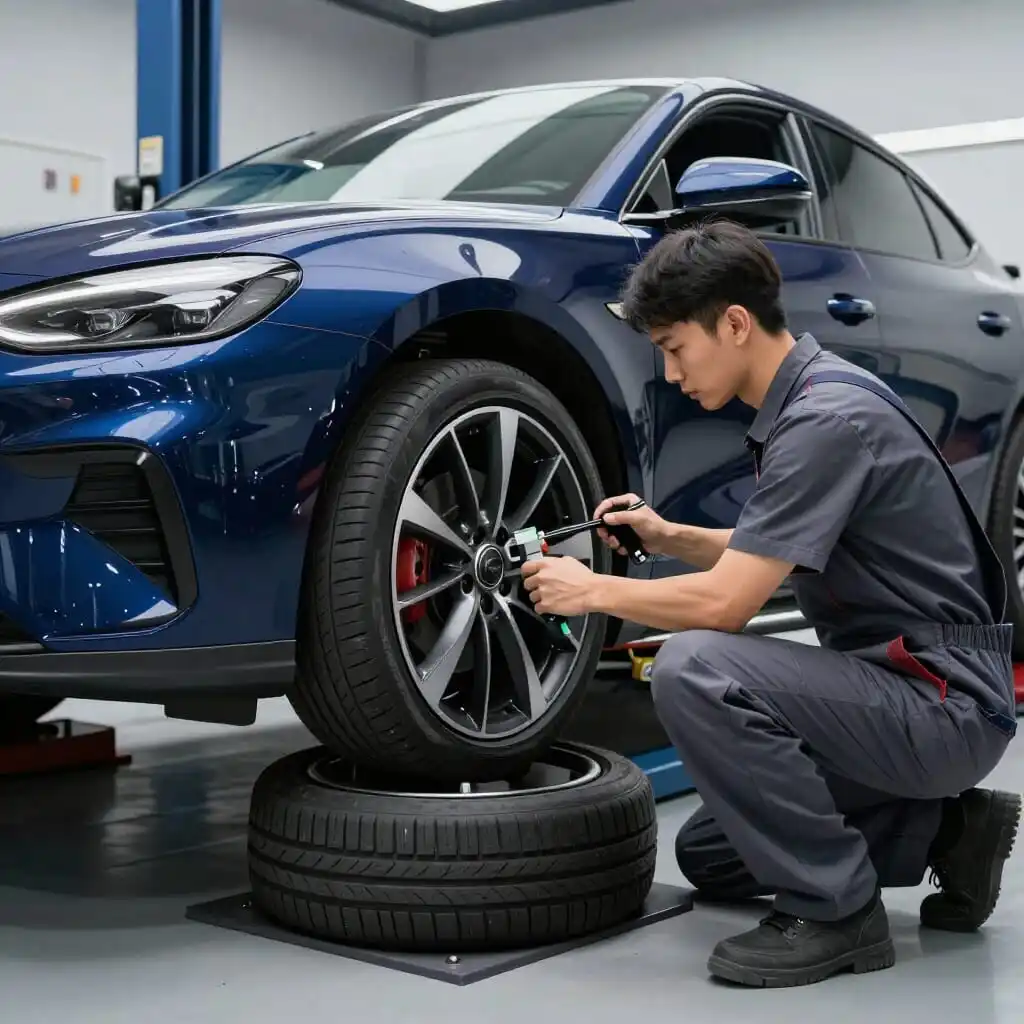
Tires are the only point of contact between your car and the road; their condition directly dictates your safety on a long journey. Start with tire pressure, which should be checked when the tires are cold—ideally in the morning before driving more than a few miles. The manufacturer’s recommended pressure is usually found on a sticker inside the driver’s door jamb or on the fuel flap, and it often varies depending on the vehicle’s load: a family trip with a full trunk requires slightly higher pressure than daily solo commuting.
Next, check for wear using the tread wear indicators located in the grooves of the tire: if the depth is below 1.6 mm, the tire is below the legal limit and must be replaced before departure, especially if you’ll be driving through rainy areas. Also, inspect the sidewalls for bulges, cuts, or deformations, which are signs of a weakened tire that could blow out under the stress of heat and prolonged high speeds. A damaged tire that holds up during city driving may fail on the highway after several hours of continuous travel.
Don’t forget to check your spare tire or tire repair kit: verify its pressure and the expiration date if it is a pressurized canister. If your route includes mountain roads or areas where weather can change rapidly, ensure you have the mandatory winter equipment required for the season and region.
Check fluids and essential mechanical points
Beyond the tires, several fluids and mechanical components deserve a check before a long drive. Check your engine oil level when the engine is cold, with the dipstick removed and wiped clean, and the engine having been off for at least ten minutes: a level that is too low can damage the engine on the highway, where RPMs remain high for extended periods. Coolant helps prevent overheating, a heightened risk during heatwaves or long climbs in the mountains with the AC running at full blast.
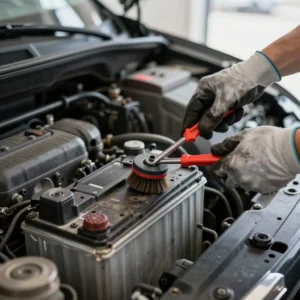
Washer fluid should also be topped up: on the highway, insect splatter and dust can quickly reduce visibility, and stopping just for this wastes valuable time. Additionally, check the condition of your brake pads and discs, especially if the trip involves long descents, as well as the battery, which often shows its weakness when trying to start the car after a long soak in the sun.
Wiper blades, lights (headlights, indicators, brake lights), and fuel levels complete this inspection. A simple ten-minute visual check under the hood is often enough to rule out the most frequent causes of long-trip breakdowns. If your vehicle is nearing a scheduled service or oil change, it is better to handle it before you leave rather than testing your luck over hundreds of miles.
Traveling with a child: organizing comfort and breaks
Traveling with a child requires specific preparation, as boredom and discomfort set in much faster for young passengers than for adults. The car seat must be appropriate for the child’s age, weight, and height, correctly secured according to the manufacturer’s instructions, and ideally installed in the rear. Before a long trip, ensure the straps are not twisted and that the seat does not move laterally by more than a few centimeters once buckled in.
Plan regular breaks, approximately every two hours, to allow the child to stretch their legs and have a snack, which also helps reduce the risk of motion sickness. Bring items to keep them occupied: books, quiet games, or headphones for a tablet if the vehicle lacks rear entertainment screens. Avoid heavy or sharp objects that could become dangerous during sudden braking. A tired or stressed child makes driving much more difficult for the parent behind the wheel, making it vital to plan for these downtime periods.
Also, pack a necessity kit: wipes, motion sickness bags, spare clothes, and a basic first-aid kit. Scheduling your departure times around the child’s usual nap schedule often allows you to cover a large portion of the trip while they sleep.
Traveling with a baby: safety and adjusted rhythms
Traveling with a baby imposes even stricter constraints, particularly regarding how long a journey can last without interruption. Common pediatric recommendations suggest not exceeding two hours of continuous travel with an infant, allowing time to check their position, feed them, or change them. The baby carrier or car seat should be rear-facing, secured via the Isofix system or the vehicle’s seatbelt, strictly following the manual, as improper installation remains a leading cause of injury in a collision.
Before leaving, check that the baby isn’t wearing clothes that are too thick under the harness: a bulky snowsuit compresses during an impact and reduces the effectiveness of the restraint system. Bring all the necessary feeding supplies, keeping milk or meals cool in a cooler if the trip is long, along with a generous amount of diapers and spare clothing.
The baby’s rhythm should take priority over the planned itinerary: it is better to leave earlier or break the trip into more segments than to force a tired or uncomfortable child to remain strapped in for several hours straight. An additional rearview mirror aimed at the car seat allows the driver to monitor the baby without turning around, minimizing distractions while driving.
Facing heatwaves during a long trip
A long trip during a heatwave adds specific risks for both the vehicle and the passengers. Test your air conditioning a few days before departure: a system that struggles to cool may indicate a refrigerant leak or a clogged cabin filter—two issues that worsen with high external temperatures. Avoid turning the AC off entirely to save fuel on long summer trips, as thermal discomfort increases fatigue and, consequently, the risk of falling asleep at the wheel.
Bring enough water for all passengers, including children and babies, who can dehydrate much faster than adults. In extreme heat, never leave a child or an animal alone in a vehicle, even for a few minutes, as interior temperatures can rapidly climb to dangerous levels when parked in the sun. Using sunshades on the rear windows can limit direct sun exposure for young passengers.
Mechanically, heatwaves also put tires to the test: pressure increases with road heat and prolonged rolling, which is normal, but a tire that was already underinflated at departure will accumulate more internal heat and face a higher risk of a blowout. Leaving early in the morning or late in the evening allows you to avoid peak temperatures and heavy traffic. Also, keep an eye on the engine temperature gauge on your dashboard, especially in traffic jams where natural engine ventilation is reduced.
The final checklist before hitting the road
Before turning the key for a long journey, one final review can prevent many inconveniences. Check for mandatory documents: vehicle registration, driver’s license, and proof of insurance, as well as your warning triangle and high-visibility vest—keep these within reach rather than buried in the trunk. A pre-planned route, with identified rest stops (especially for families with children or babies), reduces stress once you are on the road.
Load the vehicle by distributing weight correctly, placing heavy objects low and near the rear axle, without exceeding the payload capacity indicated on your registration. An overloaded trunk changes the vehicle’s handling, particularly during braking and cornering. An improperly loaded vehicle can see its braking distance increase significantly, a dangerous factor in the event of an unexpected situation on the highway.
Finally, prepare a basic first-aid kit, a phone charger, and, if possible, a Plan B in case of a breakdown: roadside assistance numbers, emergency ride-sharing apps, or simply ensuring you have cellular coverage along your chosen route. These few extra minutes of preparation often make the difference between a smooth trip and a ruined day.
How long before departure should I check my tires?
Ideally a few days in advance, so you have time to repair or replace a tire if a defect is detected, rather than the day before you leave.
What tire pressure should I use for a long family trip with a loaded trunk?
Follow the recommended pressure on the vehicle’s label for a high load, which is generally higher than the pressure indicated for an empty vehicle.
How often should I stop when traveling with a baby?
Approximately every two hours, to check their position, feed them, or change them if necessary.
How can I prevent the vehicle from overheating during a heatwave?
Check the coolant levels and the air conditioning before departure, monitor the temperature gauge, and avoid driving during the hottest hours of the day.
Which documents should I not forget before a long trip?
Vehicle registration, driver’s license, proof of insurance, as well as a warning triangle and a high-visibility vest.
Should I check the spare tire before leaving?
Yes, its pressure and condition should be checked, as well as the expiration date of a tire sealant canister if the vehicle is equipped with one.
Sources
- AUTORAMA – How to prepare your car before a long trip
- Detail Auto Passion – Complete guide to preparation before a long trip
- Gueudet – Long trip car checklist
- Izetta Auto – Preparing for a long car trip

À découvrir
How to Reduce Tire Wear | Practical Tips & Expert Advice
Learn how to reduce tire wear with our expert tips on tire pressure, smooth driving, mechanical maintenance, and regular tire rotation to save money.
How to Store Tires Correctly | Complete Guide
November 5, 2026
Tire Pressure Warning Light On: What to Do Immediately
November 10, 2026