How to Protect Your Car in Winter: The Complete 2026 Guide
- Check your battery before the first cold snap: It can lose 30-50% of its capacity when temperatures drop below 0°C.
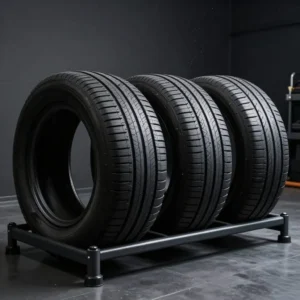
- Switch to winter tires as soon as temperatures consistently stay below 7°C.
- Protect door seals with a silicone lubricant to prevent them from sticking or tearing due to frost.
- Wash your car regularly to remove road salt, which is highly corrosive to the bodywork.
- For electric vehicles, pre-condition the cabin while plugged in to preserve battery range.
Protecting your car in winter involves looking after the mechanics, the bodywork, and your driving habits to minimize wear and avoid breakdowns at the worst possible time. The cold puts extreme stress on your battery, coolant, rubber seals, and tire grip, while road salt quietly attacks your bodywork month after month. Whether your car is parked outside or is being put into long-term winter storage, a few simple, regular steps can prevent nasty surprises: checking the battery, fitting winter tires, maintaining seals, using appropriate washing methods, and adapting your driving to the cold. This guide covers every essential point for effective protection, from the exterior to the engine.
Checking and Protecting Your Car Battery in Winter
Cold is the number one enemy of your battery. A battery that functions normally at 20°C can see its capacity drop by 30% to 50% when the temperature falls below 0°C, even as the engine requires more current to start due to thickened oil. This is the leading cause of winter breakdowns in parking lots.
Before the cold sets in, have your battery checked by a professional if it is more than 4 years old, or test its resting voltage with a multimeter: if it is below 12.4 volts, it needs a recharge; if it is below 12 volts, a replacement is often necessary. Also, limit unnecessary use of electronics while the engine is off (radio, lights, heated seats), as these drain the battery much faster in freezing temperatures.
For a car parked outside for long periods or in winter storage, disconnecting the negative terminal of the battery prevents slow discharge and extends its lifespan. A trickle charger is a practical alternative for vehicles that are rarely used in winter, particularly motorcycles and classic cars kept in a garage.
Switching to Winter or Snow Tires
The industry standard is simple: below an average temperature of 7°C, summer tire rubber hardens and loses grip, regardless of the road conditions. Winter tires, however, remain flexible thanks to a specific rubber compound and maintain their grip on cold, wet, snowy, or icy roads.
Practically speaking, to protect your car this winter and drive safely, you should plan to change your tires in the autumn rather than waiting for the first snowfall, a period when tire centers are usually overwhelmed. You should also check your tire pressure: it drops by approximately 0.1 bar for every 10°C decrease in outside temperature. An underinflated tire wears out faster and loses handling stability.
In certain mountainous regions, specific winter equipment regulations may require the use of winter gear (3PMSF-approved all-season tires, snow tires, or chains) during defined periods each year. Checking your tread depth (the legal minimum is 1.6 mm, but 4 mm is ideal for winter) is a crucial part of this maintenance.
Protecting Car Seals Against Frost
A less well-known but very common issue involves the rubber seals on doors, the trunk, and windows sticking, tearing, or cracking in the cold. The mechanism is simple but destructive: ambient moisture (rain, condensation, melted snow) seeps into micro-cracks in aging rubber and then freezes as soon as the temperature drops below zero. As water turns to ice, it expands, widening existing cracks—and through repeated freeze/thaw cycles, the seal eventually cracks completely. Even worse, when the film of water between the seal and the bodywork freezes into a thin layer of ice, the door can literally become welded to the car. A common winter morning scenario: the trunk won’t open, the driver’s door is stuck, or the sunroof is frozen shut.
To protect your car’s seals in winter, the solution is simple and inexpensive: regularly apply (about once a month, or more during prolonged freezes) a silicone spray lubricant or a specific rubber grease to the door, trunk, and sunroof seals. Use a clean cloth soaked in the product to wipe around the entire perimeter of the seal, including the less visible areas at the bottom of the door where water tends to pool. Absolutely avoid Vaseline or engine oil; these substances attack rubber over the long term, making it porous and accelerating wear instead of protecting it. Silicone, on the other hand, forms a hydrophobic film that prevents water from penetrating the material and remains flexible even in extreme cold. This simple five-minute task also prevents water from leaking into the cabin and stops the squeaking that often occurs when rubber stiffens in the cold.
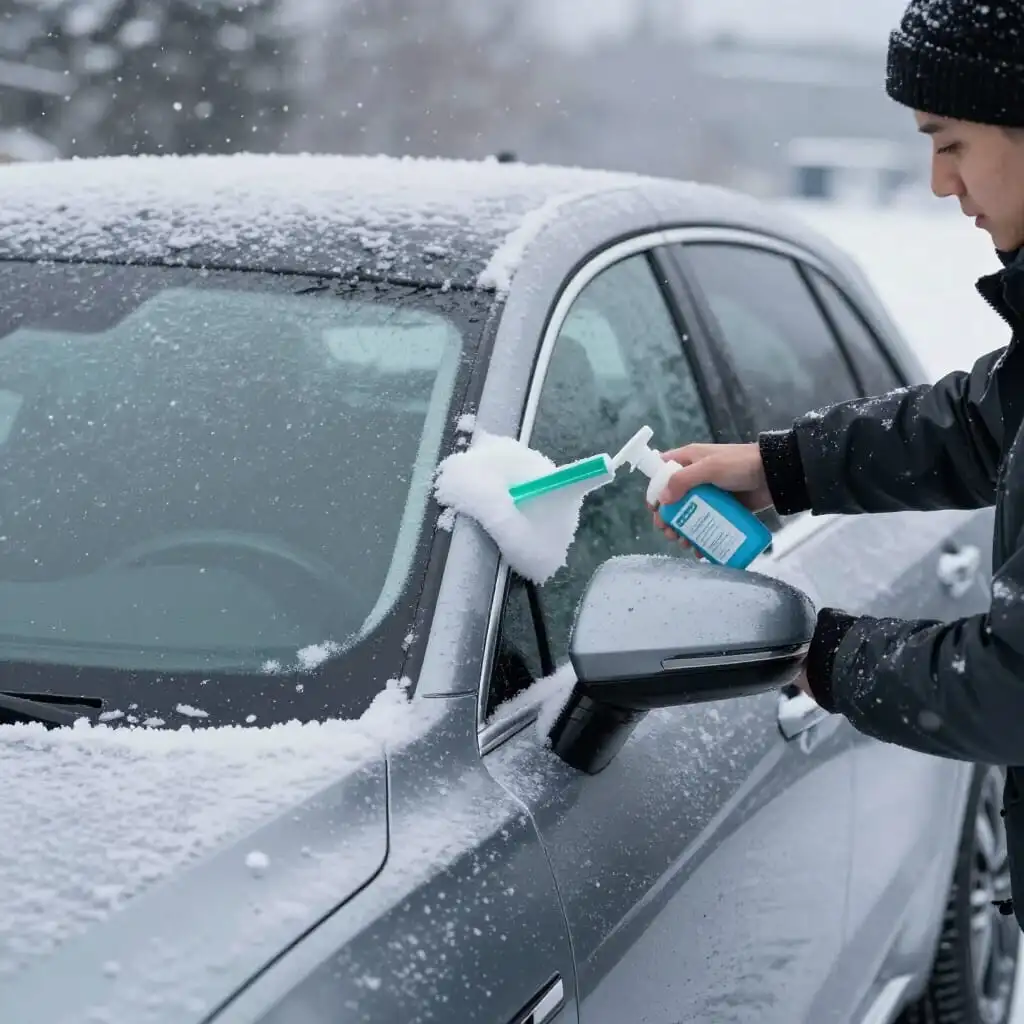
If a door is stuck one frosty morning, never force it: pulling too hard risks tearing the seal or cracking the paint around the hinge. A gentle rocking motion—alternating between pushing and pulling the door—combined with a little lukewarm water (never boiling water, which can crack the seal or cause thermal shock to the glass) is usually enough to break the ice without damaging the rubber. A specific de-icer for locks and seals, sprayed directly onto the stuck area, also works very well. Once the door is free, make sure to dry the seal thoroughly before reapplying a thin layer of silicone to reduce the risk of the problem recurring the next night.
Washing Your Car in Winter to Protect Against Salt
Washing your car in winter might seem counterintuitive when it gets dirty again within ten minutes, but it is actually one of the most important protective measures. Road salt spread on the streets is highly corrosive and accelerates rust formation on the undercarriage, wheel arches, and lower body panels—areas already exposed to road spray.
The ideal approach is a full wash every two to three weeks during the salting season, with a particular focus on rinsing the undercarriage, which is often neglected at standard car washes. An anti-corrosion treatment or the application of a protective wax before winter can create an extra barrier on the bodywork.
For daily exterior protection, a breathable car cover can limit windshield frost and protect the paint from bird droppings and compacted snow, provided it is properly secured to prevent flapping in high winds.
Electric Vehicles in Winter: Preserving Battery Life
Electric vehicles (EVs) lose range in winter, primarily due to electric cabin heating and the decreased chemical efficiency of the cells in cold weather. Depending on the model and conditions, this loss of range can reach 20% to 30% below 0°C.
The best practice is to pre-condition the car while it is still plugged into a charger by scheduling your departure via the manufacturer’s app. This allows the battery and the cabin to reach the proper temperature without tapping into the driving range. Prioritizing heated seats and a heated steering wheel over air heating—which is less energy-intensive—also helps limit energy consumption in winter.
Parking in a garage or a shelter, even if unheated, limits the temperature fluctuation and preserves long-term battery longevity, which is particularly relevant for the winter storage of electric vehicles that are used less frequently during the cold season.
Starting and Driving Your Car in Cold Weather
Starting your car in winter puts significant stress on the battery and the engine: the oil is more viscous, and the starter motor has to work harder. Avoid letting the engine idle for several minutes just to “warm it up”; it is inefficient, polluting, and unnecessarily wears the engine. It is much better to drive gently for the first few minutes of your trip.
If your car produces smoke when starting in winter, it is most often condensed water vapor in the exhaust pipe that is being cleared by the heat of the gases—a normal phenomenon that disappears within seconds. However, persistent blue or black smoke should be a cause for concern and warrants a mechanical check.
Regarding climate control in winter, using it regularly, even in cold weather, helps dry the air and defrost windows faster while preventing the system from seizing due to lack of use. Finally, check your windshield washer fluid levels and ensure you use an antifreeze additive suitable for extreme cold, and check your coolant concentration before winter to prevent any risk of the engine circuit freezing.
At what temperature should I switch to winter tires?
As soon as average temperatures consistently drop below 7°C, summer tire rubber loses flexibility and grip, so it is recommended to fit winter tires in the autumn.
How can I protect a car parked outside in winter?
Use a breathable car cover, wash the bodywork regularly to remove salt, lubricate the door seals, and check the battery status, as it is more stressed by the cold when parked outdoors.
Why is my car smoking when I start it in winter?
This is usually condensed water vapor in the exhaust pipe being cleared by the heat of the exhaust gases; it is a normal phenomenon that disappears in a few seconds.
How do I protect door seals from freezing?
Apply a silicone lubricant or a specific rubber grease to the seals once a month, avoiding Vaseline and engine oil which degrade them.
Should I wash my car in winter despite the salt?
Yes, it is essential: a regular wash every two to three weeks, including the undercarriage, removes corrosive salt and limits the appearance of rust.
How can I limit range loss in an electric vehicle in winter?
Pre-condition the cabin while the car is still plugged in and prioritize heated seats over air heating to reduce energy consumption.
Sources

À découvrir
How to Check Car Fluid Levels | Complete Guide
Learn how to check your car's fluids: oil, coolant, brake, and washer fluid. A practical guide to preventing breakdowns and ensuring vehicle safety.
Car Maintenance Guide: How to Maintain Your Vehicle Daily
November 12, 2026
Flat Tire Guide: What to Do for Cars, Bikes & Motorcycles
November 3, 2026