
How to Protect Your Car in Summer? The Complete Heat and Tire Guide
- Check your tire pressure every 2 to 3 weeks in summer: heat causes the air pressure inside to rise.
- To cool the cabin quickly, open the doors for a few seconds before starting rather than blasting the AC immediately.
- A car cover or reflective sunshade limits cabin temperature spikes and protects the bodywork from UV rays.
- Check coolant levels before long trips to prevent engine overheating.
- Parking in the shade remains the simplest and most effective daily habit.
Protecting your car in summer involves three practical priorities: monitoring tire pressure, which fluctuates with temperature, cooling the cabin before driving, and limiting direct sun exposure to the bodywork and interior. Summer heat doesn’t just affect driver comfort; it accelerates the wear of several vehicle components: tire rubber, seals, interior plastics, and the battery. This guide details the preventive steps to take—from mechanical checks to rapid cooling tips—to get through the hot season without unpleasant surprises or avoidable breakdowns.
Tire Pressure in Summer: Why It’s Your First Priority
Tire pressure is not a fixed value: it changes with the temperature of the air inside. Due to ambient heat and prolonged driving on scorching asphalt, the air inside the tire expands, and pressure can increase by 0.1 to 0.2 bar compared to a measurement taken when cold in the morning. Conversely, an initially underinflated tire heats up more while driving, which accelerates tread wear and increases the risk of a blowout, especially on the highway during peak summer travel.
The best practice is to check your summer car tire pressure every two to three weeks, always when the tires are cold—meaning before driving more than a few miles. Follow the manufacturer’s recommended values, usually found on a sticker in the fuel filler flap or the driver’s door pillar. Never adjust the pressure while the tire is hot; you risk underinflating the tire once it cools down.
A correctly inflated tire resists high heat better, offers improved handling, and improves fuel efficiency. Also, remember to check the general condition of the rubber: cracks, bulges, or irregular wear are signals not to ignore before a long summer trip, a period when tires are under the most stress.
How to Cool Your Car Down in Summer Before Starting
A car parked in direct sunlight can see its cabin temperature rise very quickly, well beyond the outside temperature. Before even thinking about the AC, several simple steps can help lower this accumulated heat.
The most effective move is to open the two opposing doors for a few seconds before getting in: the stagnant hot air escapes quickly, creating a natural cross-breeze. You can also roll down the windows slightly during the first two minutes of driving rather than turning the AC on immediately, which consumes less energy in a partially ventilated cabin.
Using a reflective windshield shade, tucked behind the windshield when parked, significantly limits heat entry via the greenhouse effect. This simple, inexpensive accessory noticeably reduces the perceived temperature inside when you get back on the road. For short trips, turning off the AC a few minutes before arriving can also help limit condensation and preserve the system.
Finally, avoid leaving heat-sensitive items in the cabin: lighters, cans, electronic devices, or medications can deteriorate or even pose a risk when interior temperatures exceed 60 to 70 degrees Celsius in direct sunlight.
Protecting the Bodywork and Interior from Daily Sun Exposure
Beyond immediate comfort, repeated exposure to UV rays and heat causes long-term damage to the bodywork and interior materials. Paint can fade over time, rubber seals can dry out and crack, and dashboard plastics can lose their flexibility until they crack.
Parking in the shade remains the simplest solution: under a tree, in a covered parking garage, or against a north-facing wall. When that’s not possible, a reflective car cover limits heat absorption by the bodywork and protects the paint from the most aggressive UV rays, especially during the hottest hours of the day.
Inside, a windshield sunshade protects not only the cabin temperature but also the dashboard and seats—especially if they are leather or synthetic leather, materials that dry out and crack faster under the combined effect of sun and heat. Also, consider regularly treating exterior plastics and seals with a dedicated protective product to prevent drying and maintain flexibility.
Preventive Mechanical Maintenance to Prevent Overheating
Summer heat puts more strain on certain mechanical components, especially during long trips or in traffic jams where the engine idles without being well-ventilated. Coolant plays a central role here: an insufficient level or old fluid reduces its ability to dissipate heat, risking engine overheating that can lead to a breakdown.
Before a long summer trip, check the coolant level while the engine is cold, as well as the condition of the expansion tank cap. A visual check of the fan and hoses can also help spot leaks or wear before they cause an incident on the road.
The battery also deserves special attention: contrary to popular belief, heat accelerates its aging by promoting electrolyte evaporation, just as cold can reveal its weakness. Checking the voltage before summer can prevent starting failures during a heatwave.
Finally, engine oil degrades faster under high heat and high load, particularly when driving with the AC on full blast in heavy traffic. Following the manufacturer’s recommended oil change intervals without delay limits premature engine wear during the hot season.
Daily Habits to Adopt During a Heatwave
Beyond one-off checks, a few simple habits reduce the impact of heat on your vehicle throughout the summer. Avoid letting the engine idle for long periods in the sun, a practice that accelerates temperature rise without providing any real cooling benefit.
Wash your car regularly: accumulated dust and residue act as an abrasive under the combined effect of sun and friction, accentuating paint fading. A wash followed by a protective wax strengthens UV resistance.
For trips in extreme heat, plan your departures for the cooler times of day, such as early morning or late evening, which limits both engine strain and passenger discomfort. Always keep a bottle of water in the vehicle—not to drink once it’s hot, but to quickly cool a burning surface like a steering wheel or a seatbelt that has been sitting in the sun.
Finally, don’t neglect your windshield wipers: heat dries out the rubber blades, making them less effective and potentially scratching the windshield. Checking them before summer, just as you would before winter, is part of good seasonal maintenance.
Should I inflate my tires differently in summer?
No, manufacturer values remain the same year-round. However, check your pressure more often in summer because heat causes the actual pressure inside the tire to fluctuate.
What is the best way to cool the cabin quickly?
Opening the two opposing doors for a few seconds before getting in evacuates stagnant hot air faster than simply turning on the AC.
Can I leave a bottle of water in the car in summer?
Yes, but avoid leaving it in direct sunlight for too long or drinking it after heavy exposure; it is mainly useful for quickly cooling a hot surface like the steering wheel.
Does air conditioning put more strain on the engine in summer?
It puts more load on the engine, especially when idling or in traffic, which can accelerate engine oil degradation if oil changes are not performed on schedule.
How can I tell if my tires are suffering from the heat?
Watch for cracks on the sidewalls, irregular tread wear, or visible bulges; these are warning signs to check before any long summer trip.
Is a car cover really useful in summer?
Yes, a reflective cover limits heat absorption by the bodywork and protects the paint from UV rays, which is particularly useful when shaded parking isn’t available.
Sources
- Guide to protecting your car from sun and heat — Car Cover
- Protecting your car from heat, complete guide — Carbu et Piston
- Protecting your car in summer, 6 best tips — Référence Pare-brise
- Protecting your car during a heatwave — Nous Motards

À découvrir
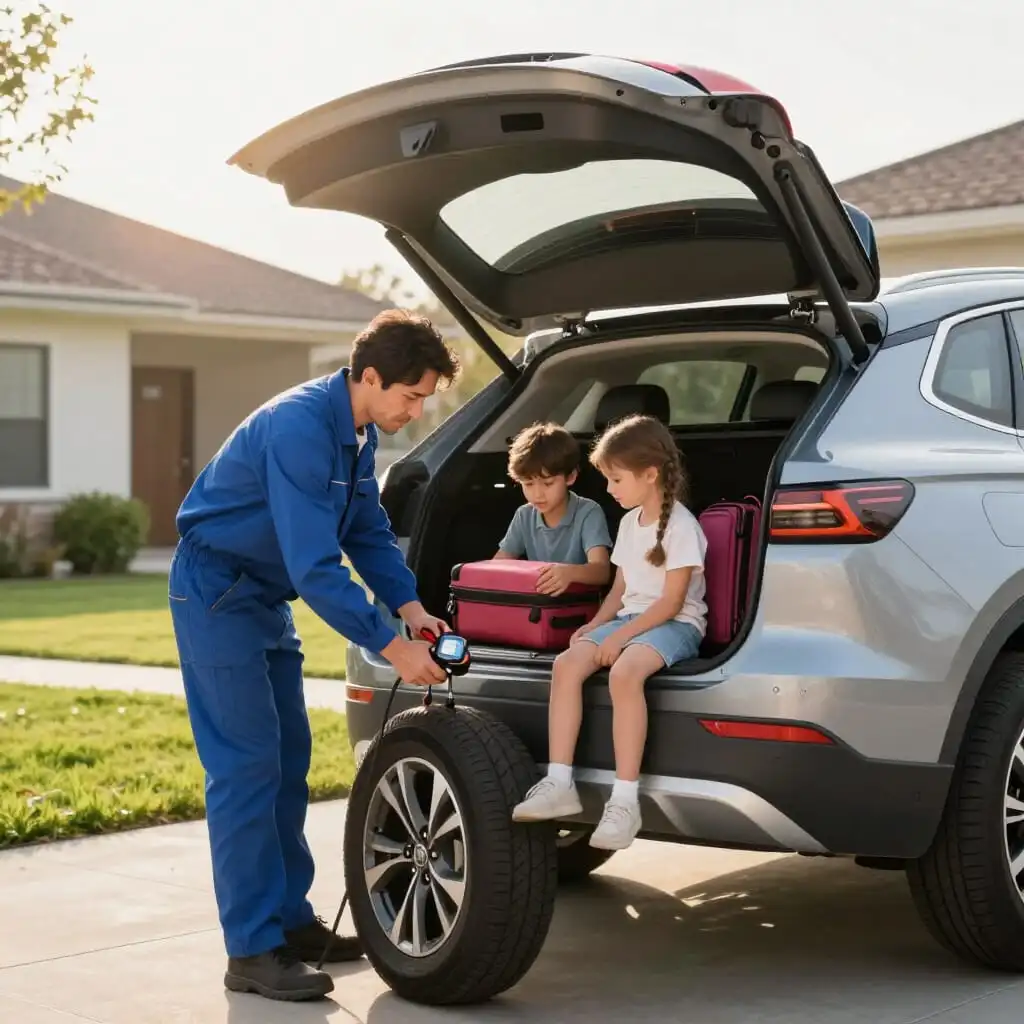
Car Vacation Checklist: Essential Vehicle Checks
Ensure a safe trip with our complete car vacation checklist: check your tires, brakes, fluids, documents, and more for a stress-free journey.
How to Protect Your Car in Winter: 2026 Complete Guide
November 13, 2026
How to Properly Clean Your Car | Complete Guide
November 12, 2026