Winter Tires: How They Work & Key Characteristics Explained
- Winter tires use a softer rubber compound that remains effective below 7°C (45°F), whereas summer tires harden in the cold.
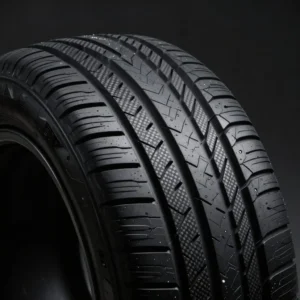
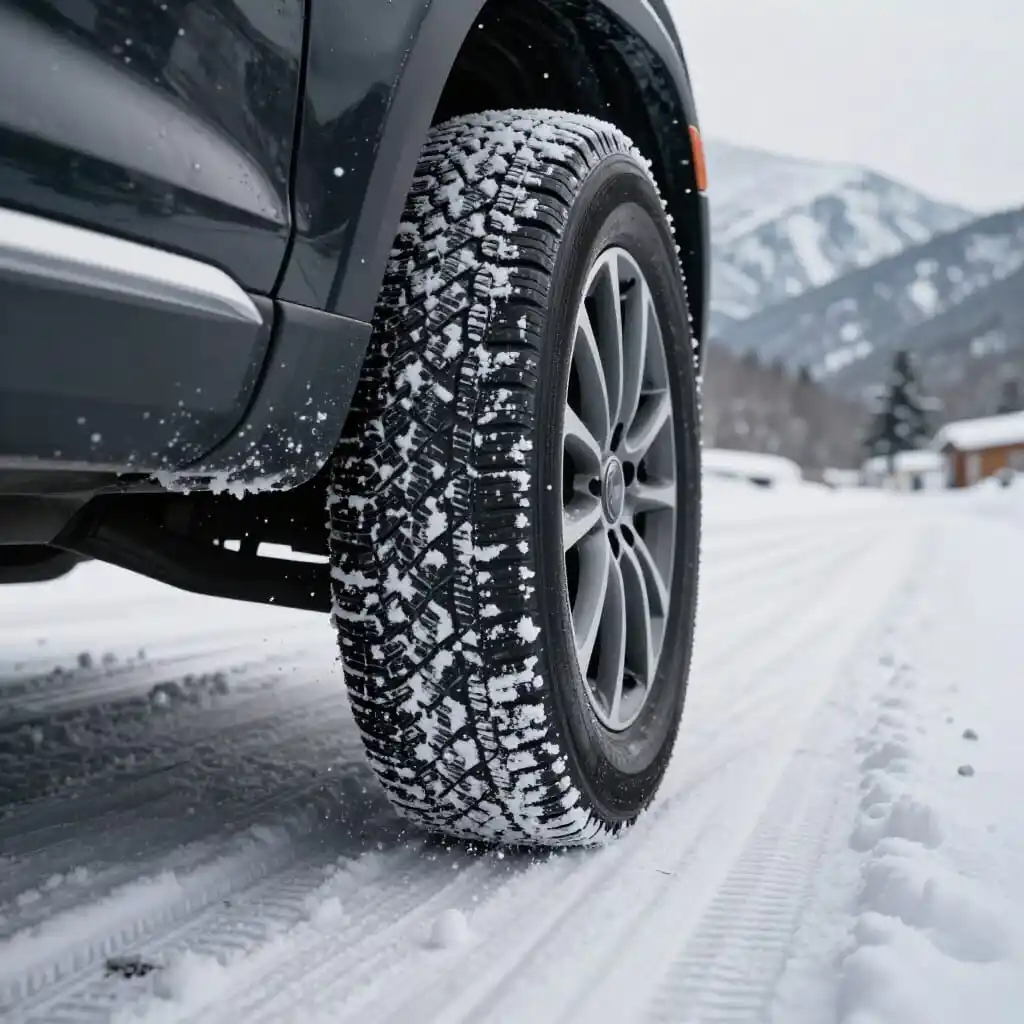
- Sipes (small slits) and deep tread patterns evacuate water and snow to maximize grip.
- Driving on winter tires during the summer leads to premature wear and increased braking distances.
- The 3PMSF (snowflake) marking certifies snow performance, unlike the basic “M+S” label.
- Common sizes such as 205/55 R16 or 195/65 R15 are available in winter versions for most vehicles.
A winter tire is not simply a summer tire with deeper grooves; it features a completely different rubber compound formulated to stay flexible below 7°C (45°F), combined with sipes that multiply grip points on snow and ice. Conversely, a summer tire hardens in the cold and loses traction as soon as the temperature drops, even on dry roads. Understanding how they work helps you know exactly when to fit your winter tires and why keeping them on during the summer is a mistake. This article details the composition, the grip mechanism, technical specifications, and recommended usage periods for both cars and motorcycles.
How Winter Tire Rubber Works
The fundamental difference between a winter tire and a summer tire lies in the chemical composition of the rubber. A summer tire is designed with a relatively rigid compound, optimized for road holding at temperatures above 7°C (45°F). Below this threshold, the rubber progressively hardens—much like a shoe sole losing its flexibility in the cold—and grip drops significantly, even on dry asphalt without snow.
Winter tires reverse this logic. They incorporate additives, often based on silica and vegetable oils, which maintain the rubber’s flexibility even in extreme cold. This compound remains malleable at very negative temperatures, allowing it to mold itself to the micro-irregularities of the road and maintain mechanical grip where a summer tire would already be sliding. This temperature range, rather than the mere presence of snow, should guide your choice between summer and winter tires.
However, this flexibility comes with a trade-off: above 7°C to 10°C (45°F to 50°F), winter rubber becomes too soft, wears down faster, and loses steering precision. This is why winter tire performance is intrinsically linked to a temperature range, not a strict calendar season.
Tread Patterns, Sipes, and Snow Traction
Beyond the rubber compound, the functionality of a snow tire relies on its tread design. The tread blocks are taller and more widely spaced than on a summer tire, creating channels capable of rapidly evacuating slush and water. This prevents hydroplaning and the formation of “snow packs” (compacted snow) under the tread.
The most distinctive feature remains the sipes—those tiny zigzag incisions cut into the rubber blocks. Each sipe acts like a small claw that grips the irregularities of snow or ice, similar to the lugged sole of a hiking boot. The higher the number of sipes, the greater the effective contact surface with the ground, which improves acceleration and shortens braking distances.
This mechanism explains why a winter tire brakes more effectively than a summer tire on cold or snowy roads: the combination of soft rubber and active sipes creates a mechanical grip that the rigid tread of a summer tire cannot reproduce. This also distinguishes a certified winter tire from an all-season tire, which typically has fewer sipes and a more moderate rubber compromise.
Winter Tires vs. All-Season Tires: The Real Differences
All-season tires are marketed as a compromise between summer and winter tires, but this compromise comes at a cost to pure performance. Their compound is intermediate: not soft enough to maintain optimal grip in extreme cold, and not rigid enough to offer the precision and longevity of a summer tire during intense summer use.
In practice, a dedicated winter tire significantly outperforms an all-season tire once temperatures drop below 0°C (32°F) or when dealing with packed snow, black ice, or frost. The marking to look for is the 3PMSF symbol (a snowflake inside a three-peak mountain), which certifies performance tested on snow. This is far more reliable than the simple “M+S” (Mud and Snow) marking found on some all-season tires, which is not based on any standardized performance test.
For drivers living in mountainous regions or areas with harsh winters, dedicated winter tires remain the safest technical solution. All-season tires are better suited for regions with mild winters, little to no snow, and less pronounced seasonal changes.
Winter Tires in Summer: Why It’s Discouraged
While it may not be illegal to drive on winter tires in the summer, it is technically counterproductive. The soft rubber, designed for the cold, becomes too tender once temperatures exceed 7°C to 10°C (45°F to 50°F). The results are accelerated tread wear, less precise handling in corners, and longer braking distances on hot, dry roads—the exact opposite of what you want from a tire.
Premature wear also has a direct financial cost: a set of winter tires left on year-round will lose its useful life much faster, forcing you to replace them sooner than expected, potentially before the next winter arrives. The logic of seasonal switching, often seen as a chore, is actually what protects the investment you made in these tires.
When to Fit Winter Tires: Timing and Guidelines
Legal requirements vary by region. In some areas (such as specific mountain zones in France under the Loi Montagne II), winter equipment (3PMSF tires or chains) is mandatory during specific months. Outside of these legal mandates, the generally accepted technical benchmark is an average temperature of 7°C (45°F), often summarized by the rule of thumb “October to Easter.”
In practical terms, this means monitoring local forecasts rather than following a fixed calendar date: a mild autumn may push the change back a few weeks, while an early cold snap in October justifies an earlier switch. Conversely, in the spring, it is better to wait until night temperatures consistently stay above this threshold before reinstalling summer tires.
Motorcycle Winter Tires: A Different Approach
Motorcycle winter tires follow the same logic of soft rubber and sipes, but the stakes are different. On two wheels, grip affects not only braking but also balance in corners, where the lean angle puts pressure on a narrower part of the tread. Winter motorcycle tires are less common than car equivalents, as many riders choose to reduce or suspend their riding during the coldest and snowiest months.
When available, these tires prioritize cold-weather rubber while maintaining a carcass designed for motorcycle dynamics, which differs significantly from a car tire. Caution is still essential: even with winter tires, a motorcycle has a smaller safety margin on wet or icy roads due to the lack of stability provided by four contact points.
Which Size to Choose: 205/55 R16, 195/65 R15, 205/60 R16
These three sizes—205/55 R16, 195/65 R15, and 205/60 R16—are among the most common for compact sedans and family city cars, which is why they are widely available in winter ranges from most manufacturers. The choice is not based on personal preference but on the original equipment size indicated in your vehicle registration document and on the tire sidewall. Fitting a winter size different from the original can alter vehicle handling, affect ABS or ESP calibration, and may cause compliance issues.
If you are unsure about the exact reference, a professional can confirm the match and guide you toward a 3PMSF-certified winter model available in your size. While it is sometimes possible to opt for a slightly different size if it is officially approved as an equivalent, this verification should always be handled by a professional.
Can I keep winter tires on all year?
Technically yes, but it is not recommended: the soft rubber wears out faster above 7-10°C (45-50°F), and braking on hot roads is less effective than with summer tires.
When is the best date to install winter tires?
There is no single legal date outside of specific regulated zones; the technical benchmark is an average temperature below 7°C (45°F), often framed as “October to Easter.”
What is the difference between a snow tire and a winter tire?
None: both terms refer to the same product, designed with a soft rubber compound and sipes for grip in cold weather and on snow.
Do all-season tires replace winter tires?
Only in regions with mild winters; once temperatures drop significantly below 0°C (32°F) or in the presence of packed snow, dedicated winter tires remain superior.
Are there winter tires for motorcycles?
Yes, but they are less common than for cars; many motorcyclists prefer to limit their riding in winter rather than equipping the bike.
How do I recognize a certified winter tire?
Look for the 3PMSF symbol (a snowflake on a three-peak mountain), which certifies tested performance on snow, unlike the basic M+S marking.
Sources
- Winter tires, definition and characteristics – Tiregom
- Winter tire – Wikipedia
- Can you drive on winter tires in summer? – Michelin

À découvrir
205/55 R16 Meaning: Tire Size and Markings Explained
Learn what 205/55 R16 means on your tires. We explain width, aspect ratio, load index, and speed ratings in simple terms.
Summer Tires: How They Work & Key Features
October 25, 2026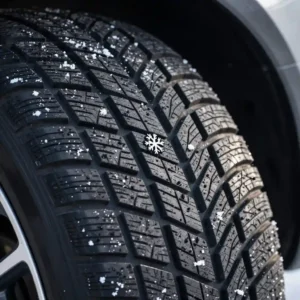
3PMSF Tire Marking: Meaning and Importance
October 30, 2026