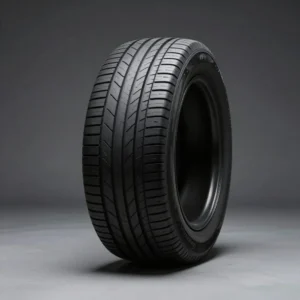
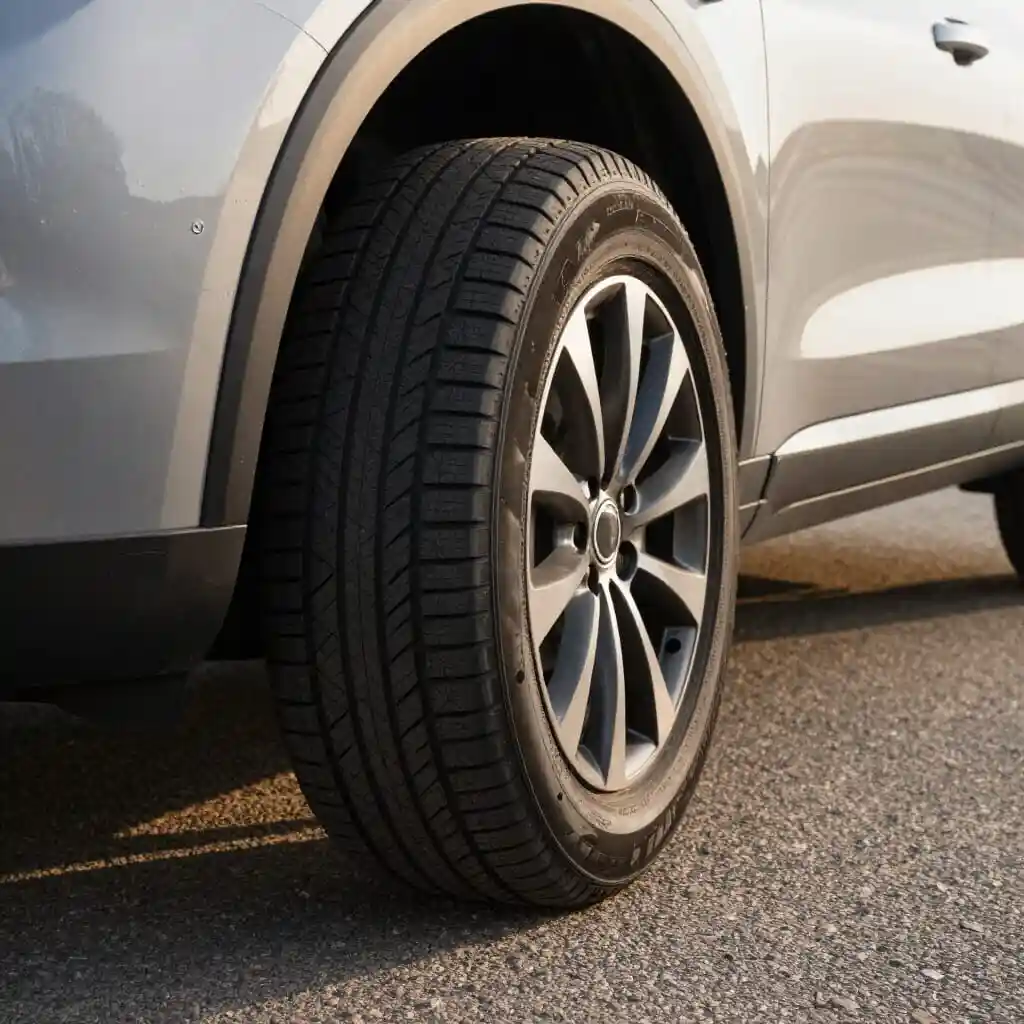
Summer Tires: How They Work and Technical Characteristics
- Summer tires are designed to remain high-performing as soon as temperatures exceed 7°C, thanks to a harder rubber compound than winter tires.
- Their tread pattern is less aggressive than a winter tire, prioritizing water evacuation and high-speed stability.
- Below 7°C, the rubber hardens and loses grip: driving on summer tires in winter increases braking distances.
- All-season tires are a compromise; they are never as effective as summer tires in summer, nor as effective as winter tires in winter.
- The choice depends primarily on your local climate and how much winter driving you actually do.
A summer tire is a tire whose rubber composition and tread pattern are optimized to function effectively above 7°C, providing maximum grip on both dry and wet roads in warm conditions. Unlike winter tires, their rubber is intentionally kept stiffer to limit wear and heat buildup at high temperatures, and their less fragmented tread promotes handling and water evacuation rather than traction on snow or ice. This specialization explains why a summer tire quickly loses efficiency as the temperature drops, and why comparing them to all-season or winter tires only makes sense when considering actual operating temperatures. This guide details the technical workings of these tires and the characteristics that set them apart.
How a Summer Tire Works: Rubber Composition
The performance of a summer tire relies first on its chemical formulation. The rubber compound used contains a higher proportion of silica and polymers designed to remain firm above 7°C, unlike winter compounds that incorporate more silicone oils intended to maintain flexibility in extreme cold. This relative rigidity is not a flaw: it allows the tire to maintain its shape under the heat generated by high-speed friction, prevents premature wear, and ensures a stable contact patch with the road.
The downside of this design appears as soon as the temperature drops. A compound optimized for heat gradually hardens below its operating threshold, much like a rubber shoe sole loses its flexibility in cold weather. The tire then becomes less capable of conforming to the micro-textures of the road surface, which reduces available grip during both braking and cornering. This mechanism, purely related to material physics, explains why using summer tires in winter isn’t simply “less good,” but is structurally unsuitable below their designed thermal threshold.
Tread and Grooves: Water Evacuation and Stability
The tread pattern of a summer tire is designed with two priorities: efficiently evacuating water on wet roads and providing high stability at high speeds. The main grooves, which are wide and deep, channel the film of water away from the tire to limit the risk of hydroplaning, while the tread blocks are larger and less fragmented than those on a winter tire.
This structural difference has a direct consequence: fewer sipes (small slits) means fewer biting edges capable of gripping snow or ice, but it also means less deformation of the tread block during braking on dry ground, resulting in better steering precision and more even wear. Conversely, a winter tire, riddled with fine slits (sipes), gains traction on slippery surfaces but loses rigidity and responsiveness on dry roads at high temperatures. All-season tires attempt an intermediate tread pattern, offering a compromise that never quite reaches the efficiency of a specialized tire in its peak season.
Grip and Braking Distances According to Temperature
The most tangible characteristic of a summer tire is its performance curve relative to temperature. Above 7°C, a summer tire offers superior grip compared to a winter tire, especially on dry roads where its harder rubber limits deformation and improves precision during braking and cornering. This advantage translates into shorter braking distances and better directional stability at sustained speeds.
This relationship reverses below that thermal threshold. The hardened rubber of a summer tire loses its ability to deform and wrap around the road, significantly increasing braking distances on cold, wet, or icy surfaces. This is the technical reason why driving with summer tires in winter poses a real risk, even without snow: simply driving in temperatures just a few degrees above freezing is enough to significantly degrade grip compared to a winter or all-season tire properly sized for those conditions.
Summer, All-Season, or Winter Tires: Which Profile Suits You?
The choice between these three tire families depends primarily on local climate and the frequency of exposure to cold, rather than brand preference. Summer tires are perfect for regions where winters remain mild and temperatures stay above 7°C for most of the year: they offer the best compromise of performance, wear, and fuel efficiency, as their rolling resistance is generally lower than that of an all-season tire.
All-season tires meet the need for simplicity for low-mileage drivers or those in regions with moderate winters, avoiding the need to swap sets twice a year, but they do not outperform summer tires in summer or winter tires in heavy winter conditions. Finally, winter tires remain essential as soon as snow, ice, or sustained sub-zero temperatures become part of daily life, especially in mountainous areas where winter tire mandates may apply. Therefore, comparing “summer vs. all-season” only makes sense based on the actual mileage driven below 7°C throughout the year.
Maintaining and Checking Your Summer Tires
A well-maintained summer tire retains its grip characteristics longer, provided you follow a few simple but often neglected inspection steps. Tire pressure must be checked regularly—at least once a month and before any long trip—when the tires are cold, following the values indicated by the manufacturer (often found on a label inside the driver’s door jamb). Under-inflation of just 0.3 to 0.5 bar is enough to cause abnormal contact with the ground: the tread sidewalls sag, which accelerates uneven wear—typically pronounced on the tire shoulders—and degrades handling even within the tire’s ideal temperature range (between 7°C and approximately 35°C, depending on the compound). Conversely, over-inflation reduces the contact patch in the center, causing premature wear in the middle of the tread and reducing cornering grip.
Tread depth should also be monitored using the wear indicators integrated into the grooves or by inserting a coin into the groove. Below the legal limit of 1.6 mm, water evacuation capacity drops sharply, increasing the risk of hydroplaning—the exact phenomenon the summer tire’s tread is meant to prevent. In practice, performance begins to degrade significantly well before this legal threshold, around 3 mm, which is why many professionals recommend early replacement for wet-weather use.
Off-season storage also plays a decisive role in tire longevity. Storing summer tires away from direct light, moisture, and excessive heat during the winter—ideally flat if they are removed from the rims, or vertically if they are mounted—limits premature rubber aging and prevents cracking caused by UV rays and ozone. It is precisely this rubber, which is softer and formulated to perform at high temperatures, that distinguishes a summer tire from an all-season tire: the latter, designed as a compromise, offers neither the same grip on warm roads nor the same thermal endurance over time, which is why motorists often debate between summer and all-season tires when choosing between versatility and seasonal performance.
Finally, strictly alternating between summer and winter tires according to the season remains the best way to fully exploit the technical characteristics of each tire. Driving with summer tires in winter is not just a matter of comfort: below 7°C, the rubber hardens and loses grip, significantly increasing braking distances on cold or snowy roads—a crucial point to keep in mind when comparing reviews on the choice between summer and all-season tires for year-round use.
Summer or all-season tires, which should I choose?
Summer tires are the best choice if winters are mild and winter mileage is low: they offer better grip and more even wear above 7°C. All-season tires are better suited for low-mileage drivers who want to avoid changing sets, at the cost of compromised performance in both extreme seasons.
Can you drive with summer tires in winter?
Legally yes, in areas without winter tire mandates, but technically it is not recommended as soon as temperatures drop below 7°C: the rubber hardens, grip drops, and braking distances increase significantly, even if there is no snow on the ground.
What are the main characteristics of a summer tire?
A harder rubber compound adapted to high temperatures, wide and deep grooves for water evacuation, fewer sipes than a winter tire, and better driving precision on dry and wet roads above 7°C.
At what temperature should I switch to summer tires?
The reference threshold is 7°C. Above this, summer tires outperform winter tires; below it, the rubber loses flexibility and grip progressively degrades.
Do summer tires wear out faster than winter tires?
When used within their ideal temperature range, summer tires generally wear more evenly than winter tires, as their harder rubber is more resistant to deformation and heat buildup at high speeds.
Do all-season tires really replace both sets of tires?
They allow you to avoid having two sets, but with a performance compromise: they are less effective than a summer tire in summer and less effective than a winter tire in heavy winter conditions. They are best for low-mileage drivers in temperate climates.
Sources
- Michelin – Choosing between summer, winter, and all-season tires
- 1001pneus – Driving with summer tires in winter
- Pages Jaunes – Summer tire guide

À découvrir
How Does Tire Tread Work? Understanding Grip & Wear
Learn how tire tread works, from grooves and blocks to legal depth requirements and wet road grip. Essential info for car and motorcycle owners.
Tire Tread and Profile: The Complete Difference Guide
October 27, 2026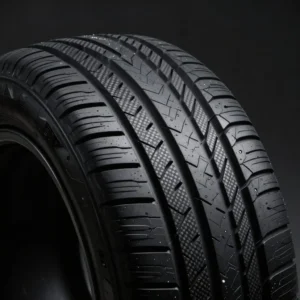
Why Are Tires Black? The Science of Carbon Black
October 28, 2026