
Ford Cars: Complete Model and Engine Guide
- Ford is a global pioneer based in Dearborn, Michigan, producing millions of vehicles annually.
- The current lineup is divided into city cars (Fiesta, Puma), family SUVs (Kuga, Explorer), and commercial vehicles (Transit, Ranger).
- The manufacturer focuses on versatility with EcoBoost petrol engines, 48V mild-hybrid systems, and 100% electric options.
- Ford’s legacy is defined by collector icons like the 1967 Mustang and Shelby versions.
Founded in 1903 in Dearborn, Michigan, Ford is today a global automotive giant, synonymous with innovation and versatility. With annual production exceeding 4.4 million vehicles in 2023, the manufacturer combines industrial heritage with modernity, offering a wide range of vehicles adapted to all needs: from city cars like the Fiesta or Puma, to family SUVs like the Kuga or Explorer, and commercial vehicles like the Transit and Ranger.
Ford is betting on hybrid (48V mild-hybrid) and electric powertrains to meet environmental challenges, while maintaining high-performance EcoBoost petrol engines. Its history remains inseparable from legends like the 1967 Mustang or Shelby versions, which embody the boldness and authenticity of a brand deeply rooted in global automotive culture.
Whether you are drawn to a modern model or the heritage of a classic vehicle, Ford offers a complete experience, from technical choice to reliability. The engines, whether internal combustion or electric, are designed to combine power and efficiency, while the chassis—often praised for its balance—guarantees precise handling, whether in the city or on the open road.
Acceleration and suspension are optimized for every segment, reflecting the manufacturer’s commitment to transmission and responsiveness. For enthusiasts, older models like the Mustang or Shelby versions represent highly sought-after collector pieces known for their authenticity and driving magic, while newer vehicles integrate the latest technology for simplified technical maintenance.
The Origins of Ford Cars: From Henry Ford’s Dream to a Global Industry
The history of Ford car origins dates back to 1908 with the launch of the Ford Model T, a model that marked a turning point in the automotive industry. Designed to be accessible to the general public, this car popularized mass production through revolutionary techniques, such as standardized engine and chassis assembly and the use of a simplified clutch and gearbox. The Ford Model T thus democratized mobility, becoming a symbol of technical and social progress, with over 15 million units sold in less than two decades.
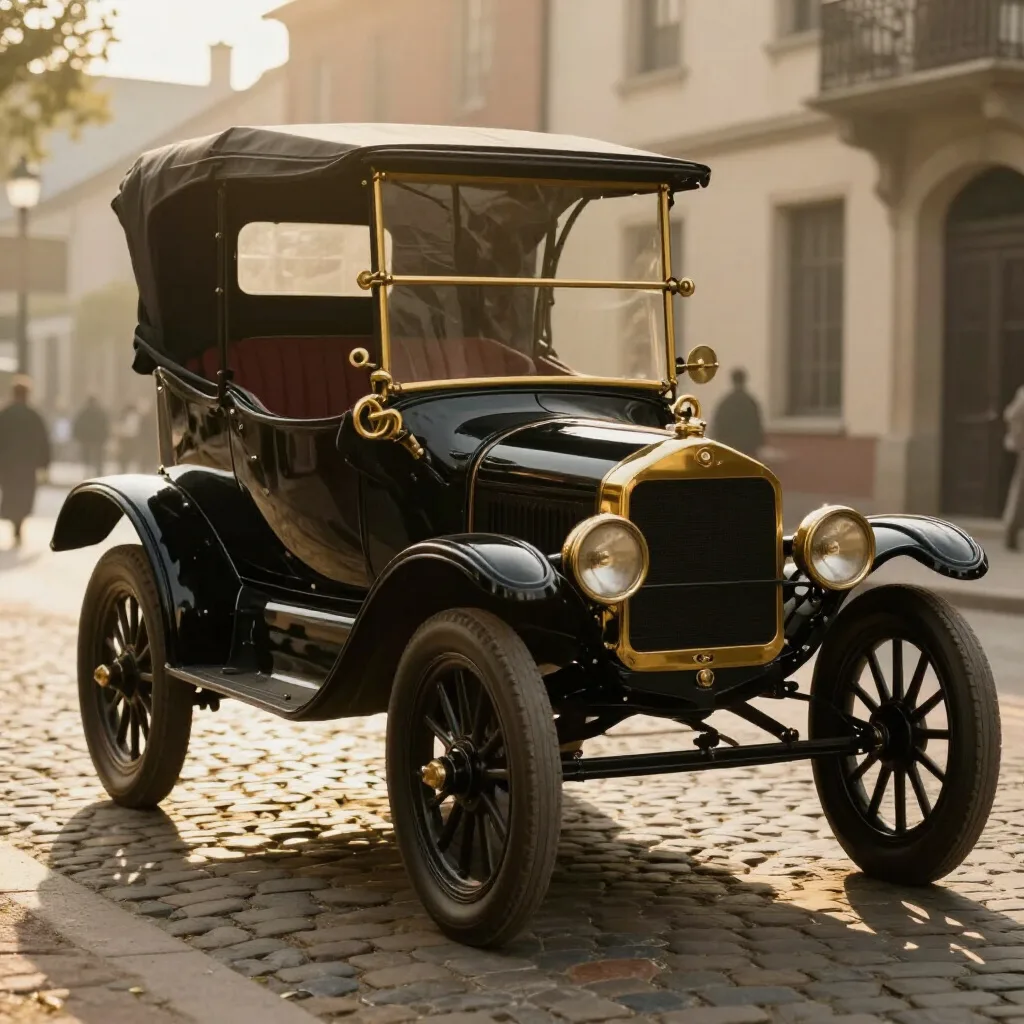
Since its inception, Ford has evolved into a major player in the global industry, headquartered in Dearborn, Michigan, near Detroit. In 2023, the group produced 4.4 million vehicles and employed approximately 177,000 people worldwide, consolidating its position among global leaders.
This expansion is built on a strategy combining mechanical heritage and innovation, as evidenced by recent models featuring 48V mild-hybrid systems or 100% electric options. Europe, where Ford maintains a strong presence, illustrates this duality between tradition and modernity, with factories dedicated to producing vehicles tailored to local expectations.
Ford Car Lineup Overview: Which Model to Choose?
Analyzing different Ford car models allows you to find the vehicle suited to your specific needs, whether for urban commuting, family requirements, or professional use. The current range covers a broad spectrum, featuring city cars like the Fiesta or Focus, SUVs like the Kuga or Puma, and commercial vehicles like the Transit or Ranger.
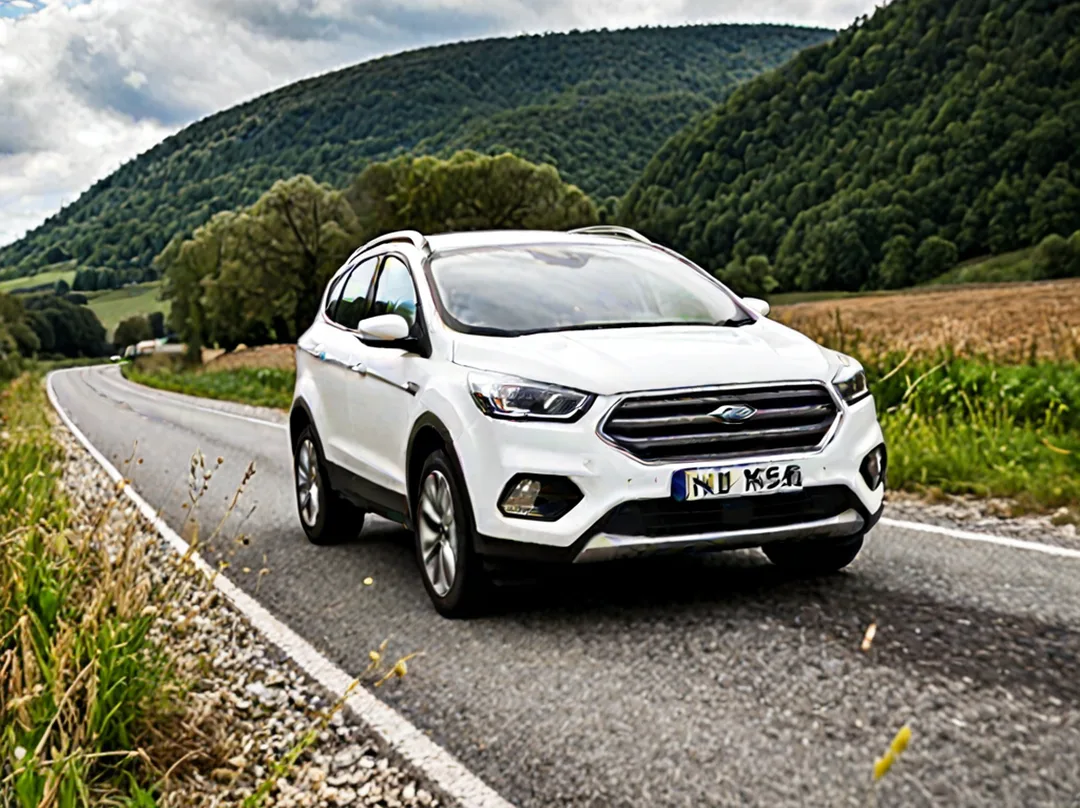
Each model features various powertrains, from EcoBoost petrol engines to mild-hybrid versions, as well as 100% electric options like the Mustang Mach-E or Puma Gen-E. To help refine your choice, the BYmyCAR configurator offers personalized assistance, including dealership test drives and advice tailored to your budget and usage.
Urban and Family Vehicles
Ford Focus cars embody versatility, making them ideal for both urban commutes and longer journeys. Their dynamic design and EcoBoost (petrol) or mild-hybrid powertrains make them economical models while offering high levels of comfort and safety. The Fiesta, being more compact, remains a benchmark for drivers seeking an agile and easy-to-park car. Both models, available in new or certified pre-owned versions, cater to both young professionals and families looking for a versatile vehicle.
- Ford Fiesta: urban agility
- Ford Focus: compact versatility
- Ford Puma: dynamic urban SUV
- Ford Kuga: hybrid family balance
- Ford Explorer: space and power
For those who prefer a compact and modern SUV, the Kuga stands out as a reference, particularly in its hybrid version. This model combines generous interior space, suspension adapted to rough roads, and all-wheel drive on certain powertrains, making it perfect for families or travel enthusiasts.
Its success is also due to refined finishes and a controlled drive provided by a balanced chassis, capable of handling both tight corners and long distances. The Ford Kuga thus stands out as an ideal compromise between practicality and driving pleasure.
The market also offers a wide choice between buying new Ford cars, which benefit from manufacturer warranties, and certified used models, often at more accessible prices. Recent versions, such as the Focus or Kuga, maintain high residual value, while recent used models (under 50,000 km) offer good value for money without sacrificing the latest technologies.
For undecided buyers, tools like online configurators or dealership test drives allow for a comparison between new Ford cars and second-hand models before making an informed decision.
Commercial and Professional Vehicles
Ford dominates the professional vehicle segment with models like the Transit, a versatile utility vehicle with multiple configurations (van, bus, platform), and the Ranger, a robust pickup designed for construction sites or heavy-duty hauling.
These vehicles are distinguished by their reinforced chassis, high load capacity (up to 1.5 tons for the Transit), and diesel or hybrid powertrains adapted for long hauls. The Ford Tourneo, derived from the Transit, is specifically designed for passenger transport, featuring modular layouts for tradespeople, businesses, or associations.
The market for used Ford cars for professionals represents an economical alternative for tradespeople or small businesses. Models like the Ranger or Transit, even when used, maintain recognized durability, featuring reliable diesel engines and gearboxes adapted for intensive use.
Certified dealers often offer inspected vehicles with detailed maintenance reports, reducing the risk of premature breakdown. For buyers in a hurry, online platforms or specialized garages allow you to find suitable offers while benefiting from technical advice to assess the vehicle’s overall condition.
Powertrains: From Ford Petrol Cars to Electric
The EcoBoost engine embodies Ford’s thermal excellence by optimizing small displacements without sacrificing performance. In models like the Fiesta, this 1.0-liter 3-cylinder engine combines efficiency and responsiveness, making it ideal for those seeking an efficient Ford petrol car. Its compact architecture and optimized clutch make it a relevant choice for both urban trips and winding roads, where every turn is controlled with precision thanks to its adapted suspension.
For drivers concerned about fuel budgets, this powertrain stands out for its controlled consumption while delivering sufficient power for dynamic driving. Its adoption in models like the Focus or Puma confirms its status as a benchmark in the petrol range, where acceleration and driving pleasure are delivered without compromising fuel economy.
The rise of Ford hybrid cars marks a key step in the energy transition, with mild-hybrid systems integrating a 48V electric motor to assist the combustion engine. This technology, deployed on models like the Mondeo or Kuga, allows for a notable reduction in emissions without giving up versatility.
The electric torque available at low speeds improves responsiveness, especially at moderate km/h, while the dual-clutch automatic gearbox optimizes deceleration phases to recharge the battery. For users looking for a less polluting alternative without revolutionizing their habits, these hybrid versions offer a balance between mechanical authenticity and ecological modernity, all with controlled maintenance costs.
The transition to Ford electric cars is accelerating with flagship models like the Mustang Mach-E, a symbol of a new era for the brand. This electric SUV, built on a dedicated platform, combines performance and range, with all-wheel transmission for optimal grip in all conditions.
Its modular powertrain and chassis allow for power adjustments across different versions, while its steering wheel and digital controls embody a futuristic driving experience. For fans of legendary models, the Mach-E continues the Mustang’s sporting heritage, but with a 100% electric signature, where every acceleration is silent and instantaneous. This model, available in Europe since 2021, illustrates Ford’s desire to reconcile the modern era with automotive heritage.
The advantages of Ford ethanol cars lie in their ability to reduce carbon footprints while limiting costs per kilometer. Certain versions, such as those equipped with FlexFuel engines, allow the use of an ethanol-petrol blend (E85), a cleaner and often cheaper solution than standard petrol. This flexibility is particularly suited to drivers covering long distances, where the economic gain becomes significant.
While less widespread than petrol or hybrid powertrains, this option appeals to those who wish to combine sustainable driving with autonomy without geographic constraints. It is worth noting that these models retain the reliability and automatic gearbox characteristics for which Ford is recognized, while participating in a broader ecological approach.
The Prestige of Classic and Collector Ford Cars
The 1967 Mustang alone embodies the legend of Ford cars, with a mythical design and V8 engines capable of rivaling the greatest machines of the era. Among them are the 289 ci (4.7 L), versatile and beloved by enthusiasts, or the 390 ci (6.4 L), a monstrous Big Block capable of propelling the car to power exceeding 300 hp in its most extreme versions.
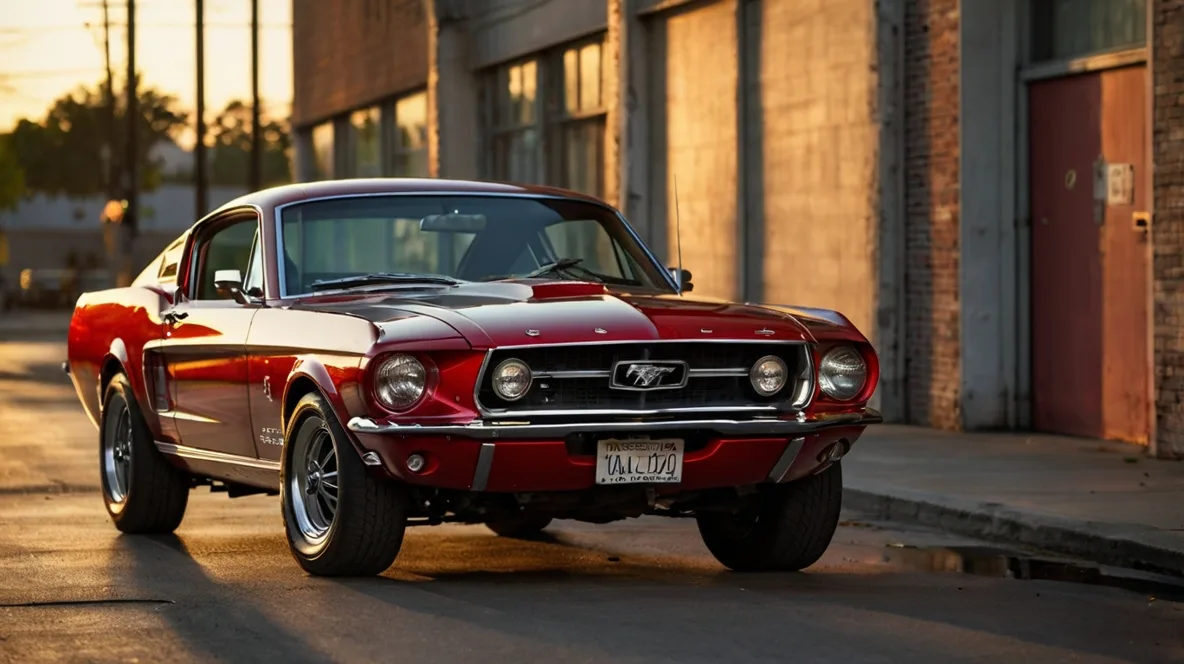
These engines, paired with manual gearboxes or automatics depending on the version, have made this Mustang a symbol of raw driving and mechanical magic. The passionate market for classic Ford cars remains a preferred field for collectors today, where these models are traded at prices reflecting their authenticity and rarity.
| Profile | Recommended Shelby Model | Estimated Budget |
|---|---|---|
| Beginner enthusiast | GT350 post-2015 | €50,000 – €75,000 |
| Experienced driver | Modern Super Snake | €90,000 – €160,000 |
| Collector | Historic limited series | €120,000 – €350,000 |
The Shelby Mustang versions, born from the collaboration between Carroll Shelby and Ford, represent the pinnacle of this quest for performance. Models like the GT350 or GT500, recognizable by their reinforced chassis and rear-wheel transmission, have marked racing history. Today, these cars are traded between €50,000 and €350,000 depending on their level of rarity, condition, and preserved power.
Modern versions, such as the Super Snake, continue this heritage with re-engineered engines and suspensions optimized for lightning-fast acceleration. For collectors, the authenticity of the engine and chassis and the absence of structural breakdown or damage become criteria as crucial as mileage or service history, often verified by specialized garages before any transaction.
Reliability and Technical Maintenance of Ford Vehicles
Certain Ford models have been subject to targeted recalls due to electronic defects or structural issues. Ford Rangers, for example, were affected by a recall involving 11,405 units in Europe, related to a central screen malfunction that could cause it to turn off spontaneously. This problem, while not directly affecting driving, required a software update to avoid any secondary breakdown of the onboard systems.

Similarly, the latest F-150 versions were recalled for over 2,000 units due to defective fuel tank straps, a risk identified during real-world testing. These interventions highlight the importance of regular technical maintenance, especially for vehicles equipped with advanced technologies or high-performance powertrains.
What are the Ford models?
The lineup includes city cars (Fiesta), compacts (Focus), SUVs (Puma, Kuga, Explorer, Expedition), pickups (Ranger, F-150), and sports cars (Mustang).
What are Ford’s SUVs?
The main SUVs are the Puma (urban), Kuga (family), the Explorer and Expedition (full-size), as well as the Bronco for off-roading.
Which Ford model is the most reliable?
Reliability varies by powertrain, but EcoBoost engines and recent hybrid versions are generally well-rated for their efficiency.
What is Ford’s high-end range?
The high-end range is found in the Performance versions, notably the Mustang Mach-E GT, the Mustang Dark Horse, and Shelby editions.
Sources
- Wikipedia – Ford Motor Company – en.wikipedia.org
- BYmyCAR – Which Ford to choose
- KBB – Ford Vehicle Lineup
- Elite Conduite – Ford Mustang 1967 – eliteconduite-autoecole.fr
- Dinatel – Auto Ford Shelby
See also

À découvrir
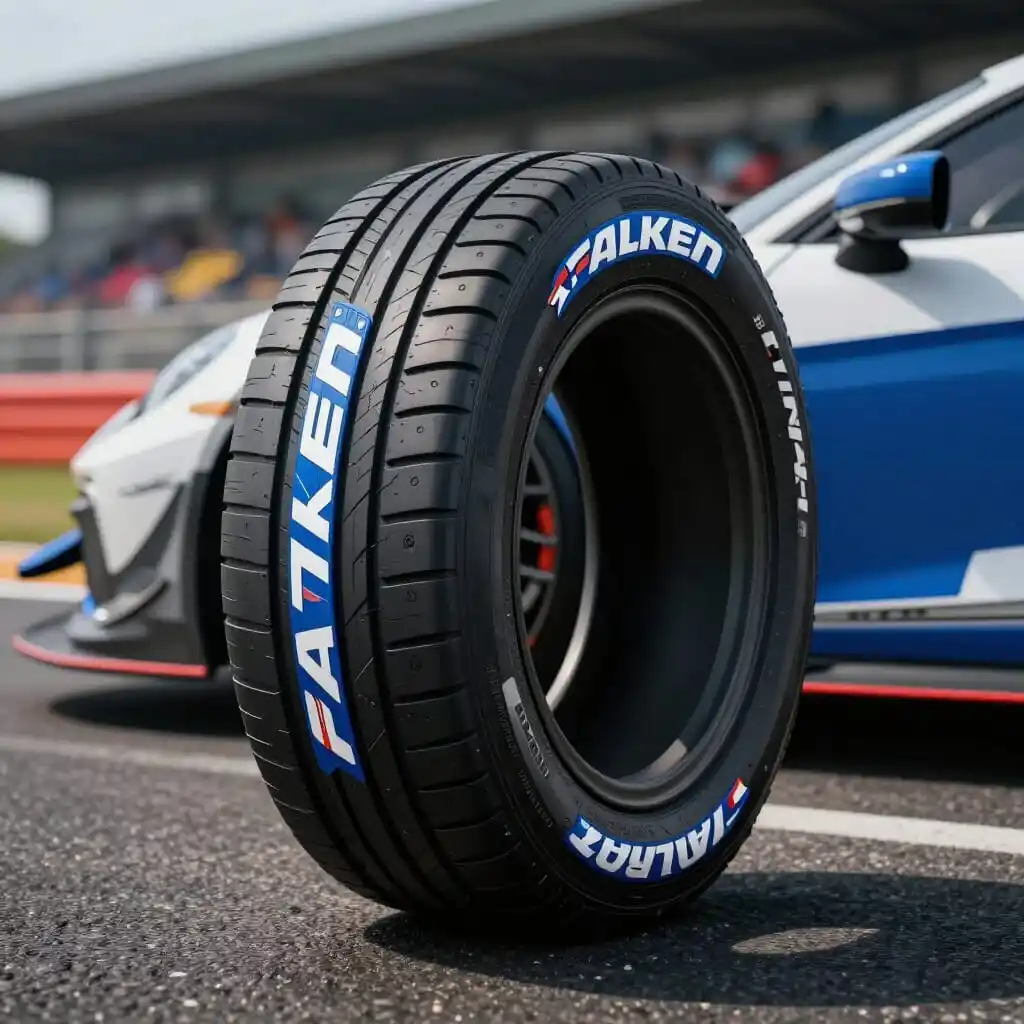
Falken Tires: History, Range & Reviews 2026
Discover Falken, the premium Japanese brand founded in 1983. Explore its history, full range (summer, winter, 4x4), and reviews for the best value.
Pirelli Tires: History and Range | Italian Brand
November 17, 2026
Michelin Tires History & Range | Global Tire Leader
November 14, 2026